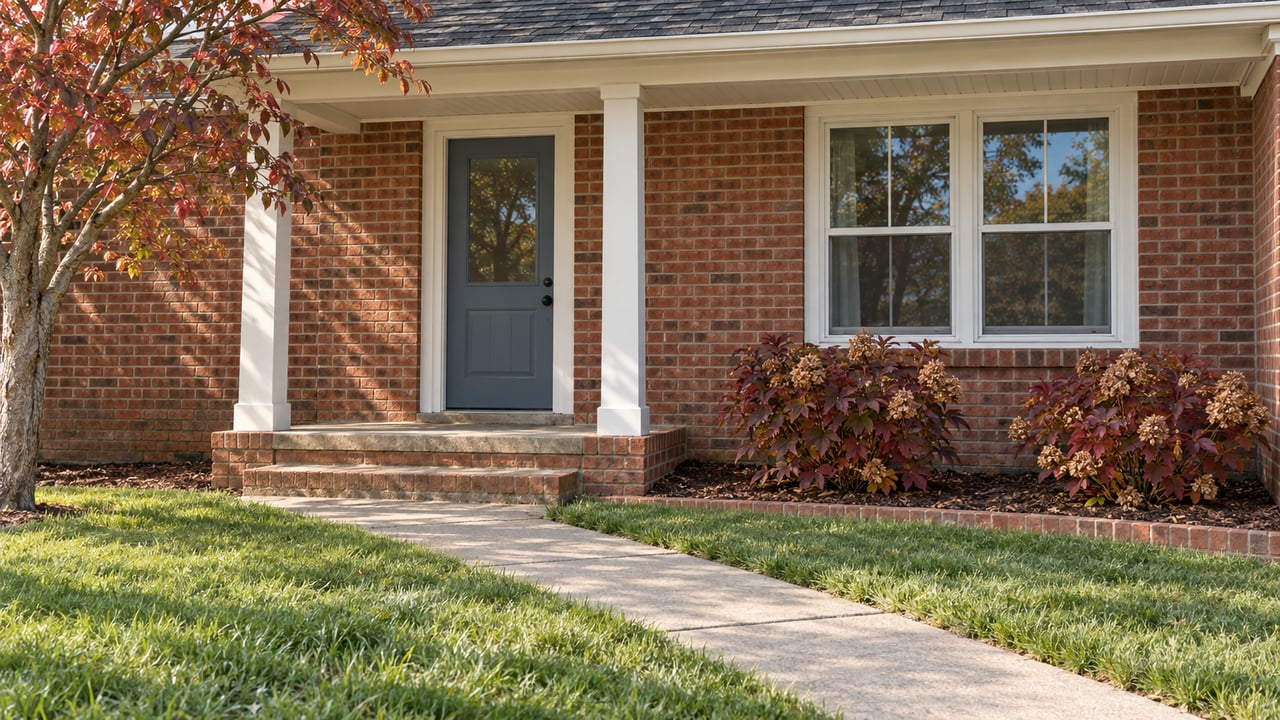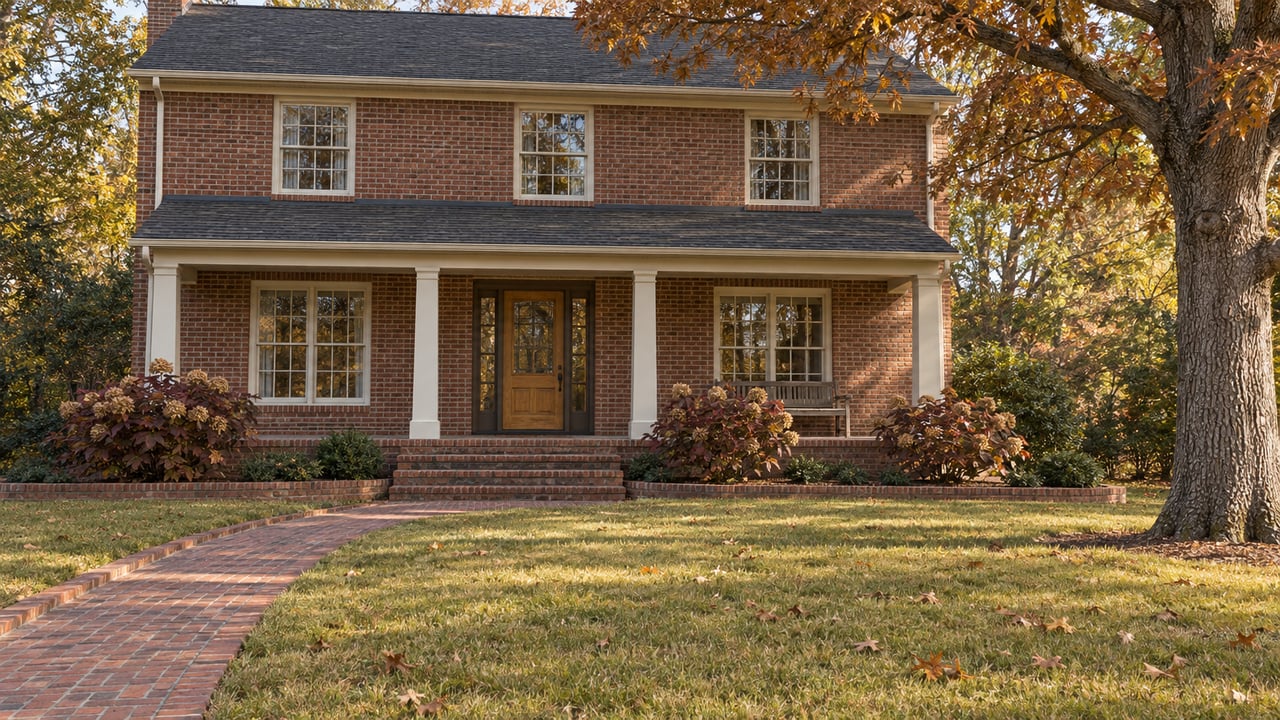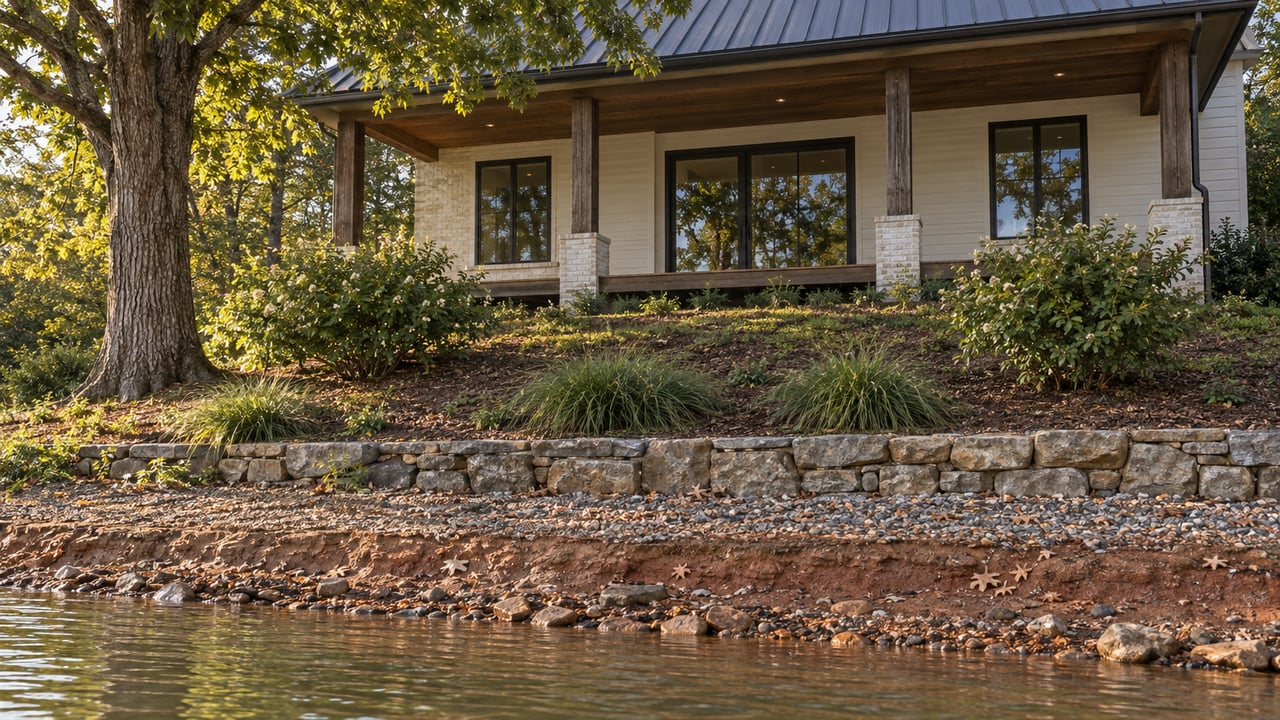
Walk down to almost any public ramp on Lake Lanier this month and you'll see more shoreline than you're used to. Rock that's usually underwater sits exposed and dry. Boat lifts that normally clear the surface by a foot or two now hang well above it. Docks that float have dropped low enough that the walk down the gangway feels steeper than it did in June.
Most people who live here have a ready explanation: the lake always drops in the fall. That's the story that gets repeated at the marina and in the group chat, and it's not entirely wrong. But it's not the reason for what's happening this year, and the difference matters if you want to actually understand the lake you're looking at.
A Foot of Difference, By Design
Lake Lanier doesn't have much of a built-in seasonal swing. The U.S. Army Corps of Engineers holds the reservoir at 1,071 feet above sea level for the summer recreation season, a level set when Buford Dam was finished in 1957. Winter pool is only about a foot lower, at 1,070 feet. That's the entire planned movement in a normal year. One foot.
What's actually happening on the lake right now is a gap several times that size. As of late September, the reservoir was sitting at roughly 1,064.5 feet, about six and a half feet below full pool and close to four and a half feet below the recent average for this point in the calendar. A one-foot design tolerance doesn't produce a drop like that. Drought does.
Georgia has had one this year. In late April, the U.S. Drought Monitor showed the entire state in some level of drought coverage for the first time since the monitor began tracking conditions in 2000, and the state issued a Level 1 drought response calling for voluntary conservation. May brought heavy rain to much of the region, but Lanier's watershed sits in a specific pocket of the north Georgia foothills, and the lake didn't get the same relief as the rest of metro Atlanta. It kept lagging behind where it usually sits, and it's still lagging now, months later.
So the rock at the ramp isn't the lake doing what it always does in September. It's the lake carrying a spring and summer's worth of missing rain into the fall.
Reading the Gauge Like a Local
Once you know Lanier barely moves on its own, the gauge number stops being trivia and starts being useful. Boaters and dock owners around here generally think about the offset from full pool in bands, not in raw elevation:
- Within about 2 feet of full pool: normal ramp access, floating docks sit where you expect them, every marina runs as usual.
- 2 to 4 feet below: most ramps still work, but the shallower secondary ramps start to thin out.
- 4 to 6 feet below: exposed hazards start showing up, several secondary ramps close, and the walk to your dock gets longer.
- More than 6 feet below: only the deepest public ramps stay open, and this is generally considered drought-management territory rather than a normal seasonal low.
Lanier is currently sitting past that last threshold. That's not a crisis level for the lake, which fell to a genuine record low near 1,052 feet during the 2007 to 2008 drought, nearly twenty feet under full pool. But it is enough to change how the lake behaves day to day, from where you can safely idle in the back of a cove to which boat ramps your neighbors are quietly avoiding this month.
The Shoreline Volunteers Who Found a Sailboat
Low water does one more thing besides rearranging boat traffic. It exposes ground that's normally out of reach, which is part of why the Lake Lanier Association's Shore Sweep has become the lake's biggest annual gathering.
This year's Shore Sweep, the 38th, ran on September 19 across 15 cleanup locations around the lake, with more than 1,000 volunteers registered to work the shoreline on foot and by boat. It follows a record-setting year in 2025, when more than 1,200 volunteers hauled 128 tons of trash and debris off the lake, shattering the previous record of 90 tons. What made the jump possible wasn't just extra hands. It was marine contractors showing up with barges and flotillas, which let volunteers finally remove pieces that had been sitting untouched for years: a sunken sailboat, a burned-out boat hull, an abandoned section of dock, and hundreds of the black encapsulated floats that work loose from underneath docks and wash up along the shore.
Since Shore Sweep began, volunteers have pulled more than 2.5 million pounds of trash and debris out of Lanier. That's not a one-time civic gesture. It's a maintenance routine the lake community has built for itself, year after year, because a working reservoir this heavily used doesn't stay clean on its own.
Sixty Years, First Gala
The organization behind that routine has been doing this kind of work since 1966, which makes 2026 its 60th year. Most of what the Lake Lanier Association runs is quiet and recurring: Shore Sweep every September, a network of solar-powered navigation lights it maintains around the lake, life jacket loaner stations at public access points, and a members' meeting every spring where people come out to hear updates over food from local lakeside restaurants.
For its 60th year, the Association is doing something it has never done before. It's holding its first formal fundraising gala, a "Back to 1966" themed evening at Lanier Islands Resort on November 12, running from 6 to 10 p.m. Tickets are on sale now. The evening includes dinner, drinks, desserts, and festivities, and space is limited. The Association is managed by volunteers and funded through memberships and sponsorships, so the gala adds a new way for the community to support its continued work.
Put the pieces together and the lake this fall looks less like a single unusual season and more like a place with a long memory. The water is low because of a specific drought that started back in the spring. The cleanup record is one bright spot in a season defined by low water. And that same group is about to mark six decades of doing this work, mostly without fanfare, right as the lake it protects is asking more of it than usual.
None of that shows up if you just glance at the rocks by the ramp and file it under "fall." It shows up when you know what a normal year actually looks like here, and what it doesn't.
Jennifer Anderson spends as much time walking docks and studying shorelines as she does sitting at closing tables, and she's always up for comparing notes on what this year's water looks like from your cove, what it means for a dock permit, or just what's changed since last September. Reach out through Jennifer Anderson Real Estate any time you want to talk lake conditions, no transaction required.