If you are torn between the energy of downtown Gainesville and the pull of Lake Lanier, you are not alone. Both lifestyles offer something appealing, but they shape your daily routine in very different ways. The good news is that once you know what matters most to you, the choice gets much clearer. Let’s dive in.
Start With Your Daily Lifestyle
The biggest difference between downtown Gainesville and lakeside living is how you want your day to feel. Downtown centers on a walkable, connected setting with shops, restaurants, greenspaces, and community events around the square, according to Main Street Gainesville. Lake Lanier living, by contrast, is built around outdoor recreation, with public parks, boat ramps, paddling, fishing, boating, marinas, and shoreline access highlighted on the city’s Lake Lanier pages.
If you picture yourself stepping out for dinner, catching an event, or enjoying a more urban rhythm, downtown may feel like the right fit. If your ideal weekend includes being on the water, launching a kayak, or spending time near marinas and lake parks, the lake may be the stronger match.
What Downtown Gainesville Feels Like
Downtown Gainesville is anchored by a historic district and an active revitalization effort. The city describes the area as a place focused on preservation, improvement, and a more walkable, connected experience. That creates a setting that often appeals to buyers who want convenience, character, and regular activity close to home.
Your routine downtown may revolve around local dining, seasonal events, and community gatherings. The city’s downtown events calendar includes concerts, art walks, celebrations, and family-focused activities on or around the square. There is also a Downtown Dining District that allows limited walk-around beverage service from licensed downtown businesses, which adds to the social, out-and-about feel.
Downtown also has practical advantages. The Historic Gainesville Square page notes free parking around the square and nearby parking decks, and Hall Area Transit supports the area with WeGo on-demand service and the seasonal free Gainesville Trolley, as referenced in the research report. If you value options beyond getting in the car for every outing, that matters.
Downtown Housing Style
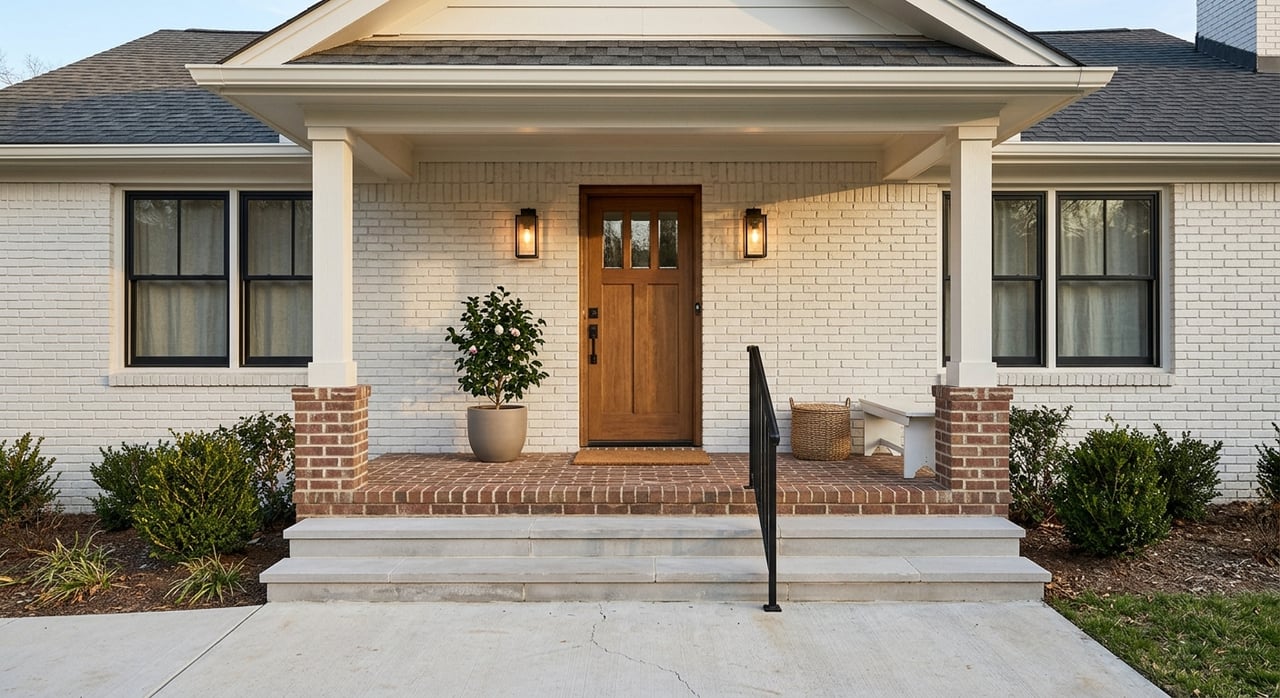
Housing near downtown tends to reflect a more compact and mixed-use environment. Gainesville’s Unified Land Development Code describes the Central Business District as a pedestrian-friendly area and allows mixed-use development that can combine residential, office, retail, service, and institutional uses. That supports a more urban housing mix compared with many lake-oriented areas.
Citywide data also points in that direction. Gainesville is denser than Hall County overall, and it has a higher share of renter households, according to Census QuickFacts. While that does not define any one neighborhood, it does help explain why buyers near downtown may see a broader mix of housing types and living arrangements.
Historic District Considerations
If you are looking near downtown, it is smart to ask whether the property falls within or near a local historic district. Gainesville’s Historic Preservation materials note that some residential-style local historic district guidelines can involve exterior-review expectations. In simple terms, changes to the outside of a home may require added review.
That is not necessarily a downside. For some buyers, it is part of what protects neighborhood character. But it is something you will want to understand early if you plan to renovate, expand, or make visible exterior updates.
What Lake Lanier Living Feels Like
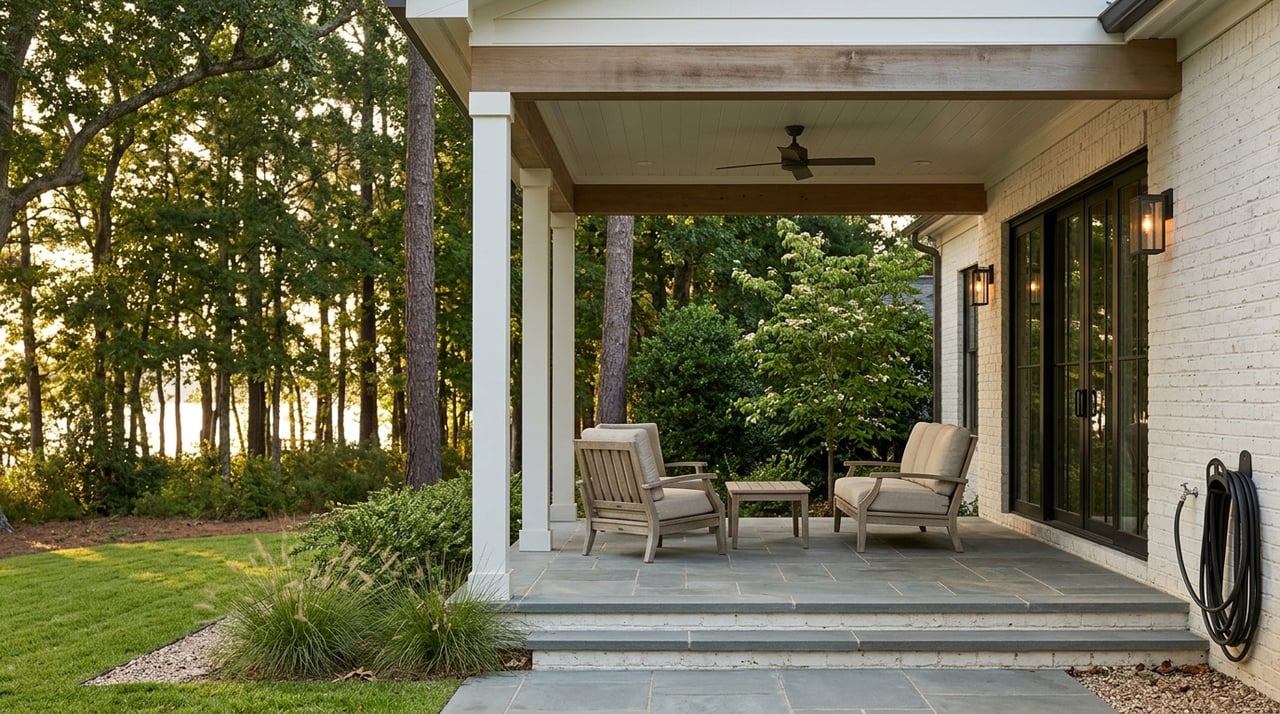
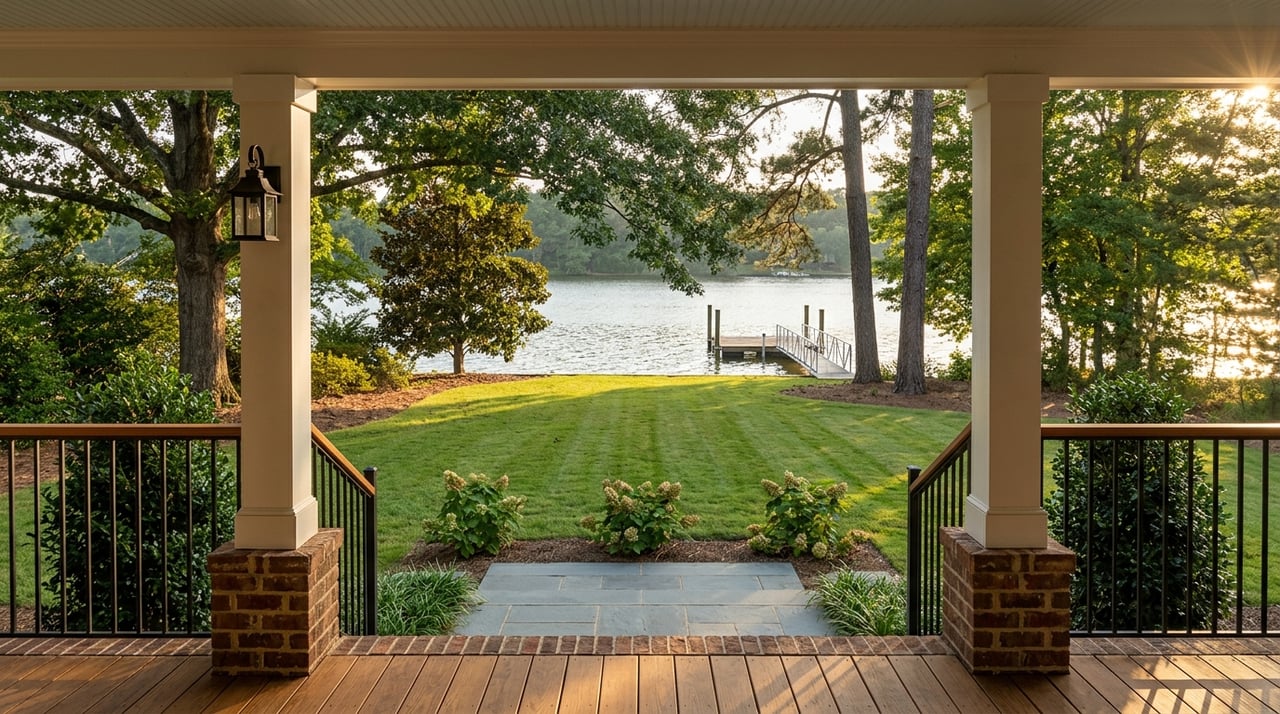
Lake Lanier living is more recreation-centered and spread out. Instead of a downtown square setting the tone, your lifestyle may revolve around access to water, parks, marinas, trails, and outdoor space. Gainesville highlights a 14-mile water trail, five city lake parks, boating, paddle launches, fishing, and lakefront camping on its Lake Lanier information page.
For many buyers, that is the whole appeal. You are choosing a home base for sunrise coffee near the water, afternoons on a boat, or evenings spent outdoors with friends and family. It can feel more retreat-like, even when it is your full-time home.
Lake Routine Tradeoffs
With that lifestyle comes a different set of day-to-day realities. The city notes that motorboat traffic is especially heavy in summer and on weekends, and swimming is not recommended at some lake parks because no lifeguards are on duty. Those are useful reminders that a water-first lifestyle is enjoyable, but it also comes with seasonal patterns and safety considerations.
Mobility can feel different too. While downtown has more concentrated transportation support, lake-oriented living is generally more car-dependent based on how parks, ramps, marinas, and shoreline amenities are spread across the area. If you love space and recreation, that may be a worthwhile trade. If you want quick, walkable convenience, it may feel less natural.
Compare the Housing Context
If you are deciding between the two, it helps to separate lifestyle from price assumptions. The research report only provides broad city and county housing context, not direct downtown or waterfront pricing. According to Census QuickFacts, the median owner-occupied home value is $382,200 in Gainesville city and $350,400 in Hall County.
Those figures are useful as broad context, but they should not be treated as a quote for a downtown condo, a downtown-adjacent historic home, or a Lake Lanier property. The housing stock, lot characteristics, and lifestyle value can vary widely depending on location and property type.
Think About Commute and Convenience
Your workweek matters just as much as your weekends. The mean travel time to work is 24.0 minutes in Gainesville city and 27.3 minutes in Hall County, according to Census QuickFacts. That does not tell you everything about a specific address, but it does give a general sense that city living may support a slightly shorter average commute.
If convenience is a top priority, downtown has a clear edge in concentration. Dining, events, parking, and transit options are more clustered there. If your priority is lifestyle space and lake access, you may gladly accept a more drive-based routine.
Questions To Ask Yourself
Before you choose, ask yourself a few practical questions:
- Do you want a walkable social setting or a water-centered routine?
- Would you use restaurants, events, and downtown amenities every week?
- Do you want boating, fishing, paddling, or marina access close to home?
- Are you comfortable with possible exterior-review requirements near historic districts?
- Would heavier lake traffic in summer and on weekends affect how you use the area?
- Do you prefer a more compact neighborhood feel or a more spread-out setting?
Your answers usually point to the right direction faster than any listing search can.
Which Lifestyle Fits You Best?
Downtown Gainesville may be the better fit if you want a connected, active setting with easier access to events, dining, and transit support. It can also appeal if you enjoy a neighborhood with older homes, mixed-use development, and a stronger sense of being in the center of local activity.
Lake Lanier living may be the better fit if you want your home life to revolve around recreation, outdoor gathering space, and time on the water. If boating, paddling, fishing, and shoreline access shape your idea of home, the lake offers a lifestyle that downtown simply cannot replicate.
Neither option is better across the board. The right choice depends on whether you want your Georgia home story to feel more like coffee on the square or golden hour on the lake.
If you are weighing downtown Gainesville against Lake Lanier, working with a local expert can help you compare more than just homes. Jennifer Anderson offers thoughtful, high-touch guidance for buyers who want clarity on lifestyle, location, and the details that matter most.
FAQs
How is downtown Gainesville different from Lake Lanier living?
- Downtown Gainesville offers a more walkable, event-focused lifestyle centered around the square, while Lake Lanier living is more focused on boating, paddling, fishing, parks, and outdoor recreation.
What should buyers know about historic districts near downtown Gainesville?
- Some downtown-adjacent areas may include local historic district guidelines with exterior-review expectations, so it is important to ask about renovation or exterior change rules early.
What should buyers consider before choosing a Lake Lanier home?
- You should think about shoreline access, proximity to parks or marinas, parking needs, and the fact that lake traffic is often heavier in summer and on weekends.
Is downtown Gainesville more convenient for commuting and getting around?
- Broad data shows a shorter mean travel time to work in Gainesville city than Hall County overall, and downtown also has support from WeGo on-demand service, the seasonal free Gainesville Trolley, and parking near the square.
Are home prices the same downtown Gainesville and near Lake Lanier?
- The research report only provides broad city and county housing figures, so pricing can vary significantly depending on the exact property type, location, and features.