If you are getting ready to sell a lake home in Gainesville, first impressions matter even more than usual. In a market where homes in Gainesville and Hall County are taking about 57 to 58 days to sell, buyers often notice condition, presentation, and paperwork right away. The good news is that a smart pre-listing plan can help your home stand out, reduce surprises, and make your launch feel polished from day one. Let’s dive in.
Why launch-day prep matters
Hall County has about 1,800 homes for sale, a median list price of $467,500, and a 99% sale-to-list ratio, according to Realtor.com market data for Hall County. Gainesville’s median sale price was $375,000 in March 2026, up 2% year over year, with homes taking about 58 days to sell. In a buyer-leaning market, presentation and readiness can shape how quickly buyers engage with your listing.
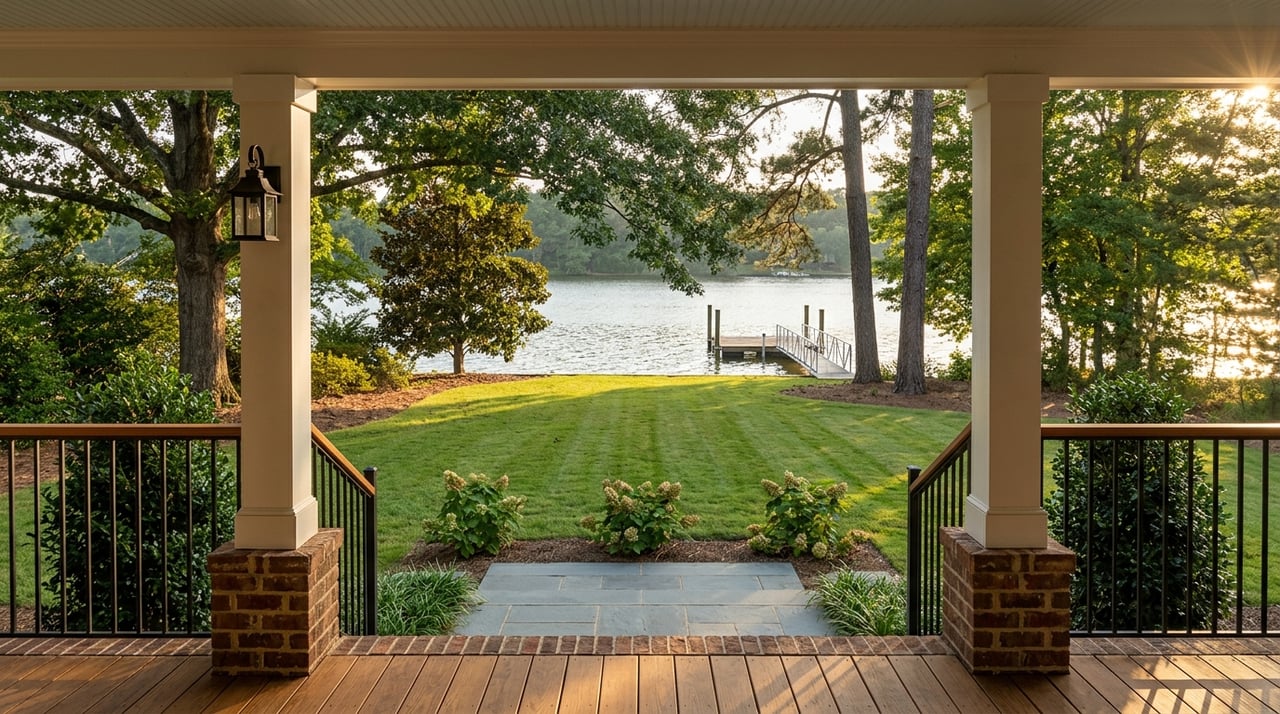
That matters even more on Lake Lanier. Buyers shopping for lake property are not just looking at bedrooms and finishes. They are also paying attention to water views, shoreline condition, dock documentation, and whether the home feels easy to step into without a long to-do list.
Focus on visible exterior updates
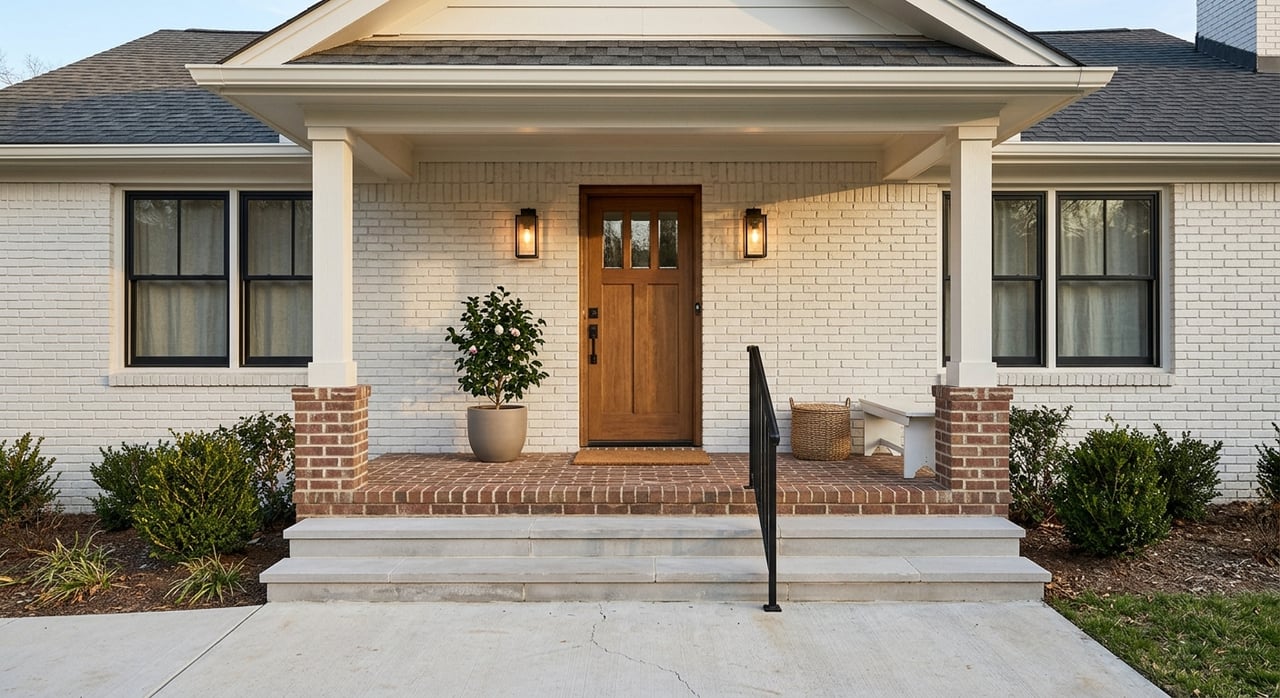
Before you tackle major renovations, start with the improvements buyers are most likely to notice. The NAR 2025 Remodeling Impact Report says REALTORS most often recommend painting the entire home, painting one room, and fixing the roof before selling. The same report found that a new steel door recovered 100% of project cost, which supports prioritizing smaller, high-visibility updates.
For a Gainesville lake listing, that usually means looking closely at:
- Exterior paint touch-ups or a full repaint if needed
- Front door condition and hardware
- Roof repairs or missing shingles
- Walkways, porches, and railings
- Lighting at the entry and driveway
- Landscaping cleanup and fresh mulch
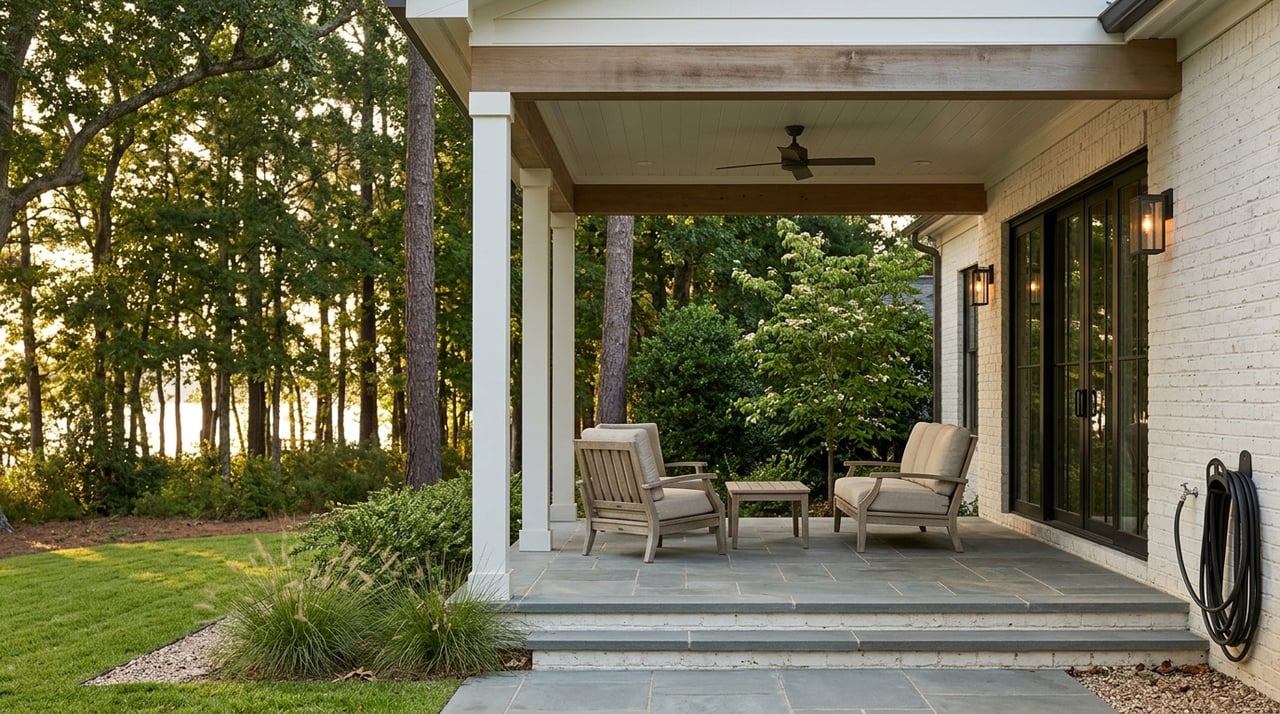
These updates help buyers feel that the property has been maintained. On a lake home, they also set the tone before buyers even get to the water side of the property.
Make the dock and shoreline sale-ready
A Lake Lanier home comes with another layer of preparation that many sellers overlook. The U.S. Army Corps of Engineers Lake Lanier shoreline management guidance says permits are required before work on public property along the lake, including dock, riprap, and small silt removal work. Permits and licenses are generally valid for up to five years, are nontransferable, and changes require prior approval.
That means your dock is not just an amenity. It is also a documentation issue. If you have questions about improvements, repairs, or whether an item is permitted, it is better to address those early instead of waiting until you are under contract.
The Corps also notes that complete applications for a change of owner or related processing can take about 6 to 8 weeks, according to its change of owner requirements. If your paperwork is outdated or contact information needs to be updated, handle it before your home hits the market.
Here are a few dock and shoreline items to review before listing:
- Confirm your dock permit number and keep records handy
- Make sure contact information on file is current
- Check whether prior shoreline work had proper approval
- Remove non-permitted items from the shoreline area
- Address visible safety concerns on the dock or access path
The Corps has also warned that abandoned or unsafe docks can be hazardous and may require removal. If your dock feels unstable, worn out, or unusable, that can affect both buyer confidence and marketability.
Stage the lake view, not the clutter
One of the biggest advantages of a Gainesville lake home is the setting itself. Your goal is to make that setting easy for buyers to notice the moment they walk in. According to the 2025 Profile of Home Staging Snapshot from NAR, 83% of buyers’ agents said staging makes it easier for buyers to visualize a property as their future home.
The most commonly staged rooms are the living room, primary bedroom, and dining room. For a lake property, those spaces often connect directly to the lifestyle buyers want, whether that is morning coffee with a water view or hosting family after a day on the lake.
A few staging priorities can make a big difference:
- Declutter surfaces and open up sightlines
- Use neutral colors where possible
- Simplify window treatments to let in more light
- Remove bulky furniture that blocks views
- Give every room a clear purpose
- Deep clean floors, windows, kitchens, and baths
Zillow’s home staging guidance also recommends opening blinds, replacing dim bulbs, clearing kitchen counters, and using mirrors to brighten rooms. For a lakefront home, brightness and openness help the water become part of the experience.
Keep updates simple inside
Not every home needs a full remodel before listing. In fact, a light-touch approach is often the smarter move. The NAR remodeling report supports practical projects like whole-home paint, a one-room refresh, front-door improvements, and roof repairs over broad, expensive renovations.
If you are deciding where to spend money, focus on changes that make your home feel clean, cared for, and easy to enjoy. Fresh paint, patched walls, updated lighting, and minor hardware swaps can do a lot without overcomplicating your timeline. The goal is not to erase all personality. It is to make the home feel calm, bright, and move-in ready.
Organize disclosures before buyers ask
A polished listing is not just about appearance. It is also about preparation behind the scenes. Georgia law requires disclosure of adverse material facts about the property and adverse conditions in the immediate neighborhood within one mile, as outlined in Georgia Code Section 10-6A-5.
You should also be ready with records that answer the questions serious buyers tend to ask early. Organized documentation can help a transaction feel smoother and show that you have cared for the property responsibly.
A helpful pre-listing packet may include:
- Dock permit information and owner contact details
- Roof, HVAC, or major repair records
- Notes on known defects and completed fixes
- Utility or maintenance information buyers may request
- Insurance or flood-related details if applicable
When buyers can review clear information upfront, they often feel more confident moving forward.
Check flood-zone and lead disclosure items
Lake homes often bring extra questions about flood risk. FEMA’s Flood Map Service Center is the official source for flood hazard mapping products, and FEMA advises homeowners to know their flood zone and consider flood insurance. Before listing, it is wise to understand what flood map information applies to your property so you can answer questions clearly.
If your home was built before 1978, lead rules matter too. The EPA says most pre-1978 homes require lead disclosure materials before a sale, including the lead pamphlet, known hazard information, available records and reports, a warning statement, and a 10-day inspection period unless waived.
This also matters if you are repainting or repairing surfaces before listing. The EPA notes that renovation, repair, and painting work can create significant lead dust in older homes. If your Gainesville home falls into that age range, plan carefully before starting cosmetic work.
Use a pre-listing checklist
When you are preparing a Lake Lanier property, timing and organization matter. Because the local market is taking roughly two months to sell, it often helps to launch with your home looking its best and your records already assembled.
Here is a simple checklist to keep you on track:
Exterior checklist
- Touch up or repaint where needed
- Inspect the roof and repair visible issues
- Refresh the front door and entry lighting
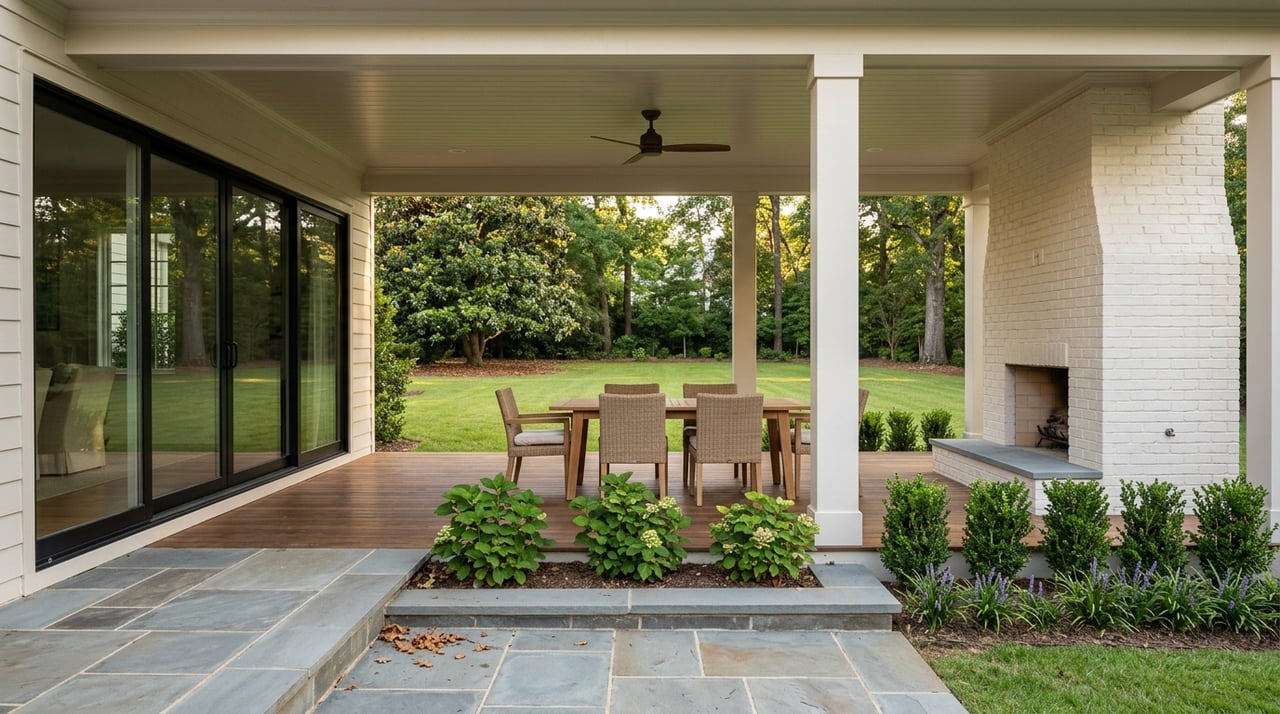
- Clean porches, patios, and outdoor furniture
- Tidy landscaping and remove debris
Dock and shoreline checklist
- Confirm permit number and ownership records
- Update contact information if needed
- Review any prior shoreline improvements
- Remove prohibited items
- Address safety or condition concerns
Interior checklist
- Declutter and depersonalize key rooms
- Deep clean all major surfaces
- Open blinds and brighten darker spaces
- Define bonus rooms clearly
- Use furniture placement to highlight views
Paperwork checklist
- Gather repair and maintenance records
- Prepare known material disclosures
- Check flood-zone information
- Prepare lead disclosure if the home is pre-1978
- Keep dock-related documents easy to access
Your next step before listing
Selling a Gainesville home on the lake is part presentation, part paperwork, and part strategy. When you prepare the exterior, stage the interior around the view, and get dock and disclosure details in order early, you give your listing a stronger start and help reduce stress later.
If you want a plan tailored to your home, your shoreline setup, and your timeline, Jennifer Anderson offers the kind of local, hands-on guidance that can help you list with confidence on Lake Lanier.
FAQs
What should you fix before listing a Gainesville lake home?
- Focus first on visible, high-impact items like paint, roof repairs, entry updates, landscaping, and any dock safety concerns, since these are the issues buyers notice quickly.
What dock paperwork do you need when selling a Lake Lanier home?
- You should have your dock permit information, current contact details, and any relevant records related to approved shoreline or dock work ready before listing.
Should you stage a Lake Lanier home before putting it on the market?
- Yes. Staging can help buyers picture themselves in the home, and for lake properties it is especially helpful to open sightlines and highlight water views.
How do you check flood-zone information for a Gainesville lake property?
- You can review official flood hazard mapping products through FEMA’s Flood Map Service Center so you understand what may apply to your property before buyers ask.
Do pre-1978 Gainesville homes need lead disclosure before a sale?
- In most cases, yes. The EPA says pre-1978 homes generally require lead disclosure materials, known records, and specific buyer notices before closing.