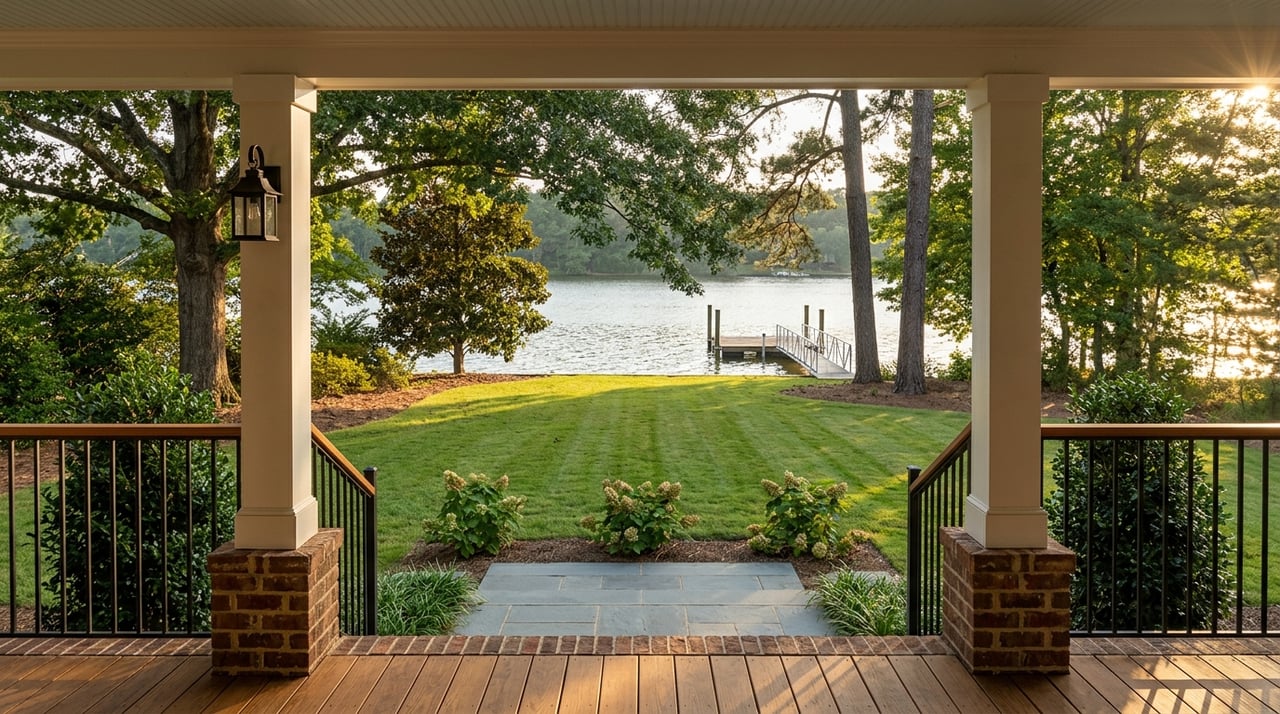
Picture a golden-hour boat ride on Lake Lanier, then imagine arriving to find the dock unusable or your rental plan blocked by local rules. When you are buying a second home here, the lake itself comes with its own playbook. You want the lifestyle without surprises. In this guide, you will learn the key checks on docks, water levels, local regulations, insurance, financing, and day-to-day ownership so you can move forward with clarity. Let’s dive in.
Lake Lanier 101 for second-home buyers
Lake Lanier is managed by the U.S. Army Corps of Engineers (USACE) for flood control, hydropower, recreation, and regional water supply. The Corps controls lake levels and release schedules, which influence dock usability and waterfront access. You should review current and seasonal lake levels for the specific cove you are targeting. Start by checking the Corps’ published Lake Lanier water levels.
The shoreline spans several counties and multiple cities. That means county zoning, short-term rental rules, permits, and taxes can differ from one property to the next. Treat each address as its own case and verify the exact jurisdiction before you make an offer.
Docks and shoreline permits: your biggest lever
On Lake Lanier, private docks sit on federal project land and are regulated by the Corps under the Shoreline Management Plan. A private dock is authorized by a USACE shoreline use permit, not by deeded ownership of lakebed or shoreline. The permit carries conditions, renewal rules, and change-of-owner steps. Get familiar with the USACE Shoreline Permit Program.
A permit is not a forever right. Many permits require a change-of-owner process when the property sells, and deadlines matter. Ask the seller for the current permit number and a copy of the permit, then confirm the details with the local ranger office using the Corps’ Change of Owner Requirements.
Dock permits on Lanier are finite, and that scarcity often adds value to homes with a current, transferable authorization. This is why two similar lots can have very different market appeal if one has a permit and one does not. For background on lake scale and constraints, review the Lake Lanier Association’s overview of our lake and its use.
For newer subdivisions, expect the Corps to prefer community docks rather than multiple private docks. The Master Plan outlines criteria for shared moorage and shoreline use, which can shape what is possible on a given parcel. If you plan to build or buy in a newer development, study the Corps’ Master Plan guidance on community facilities in the Lanier Master Plan.
Practical steps you can take during due diligence:
- Ask for the USACE permit number, a copy of the permit, and any recent correspondence with the Corps.
- Verify transfer conditions, expiration date, and any cited violations or required repairs.
- Confirm the exact dock location, walkway, and slip depth against current and typical seasonal water levels.
- If a listing claims a permitted dock but you do not receive permit documents, write in a contingency that requires seller and USACE confirmation of permit status in writing.
Water levels and real access
Lake Lanier’s levels change with seasons and operations, which affects cove depth, the slope to the water, and whether you can access your dock year-round. Review the Corps’ lake-level reports for the dates you expect to use the home most. If a cove runs shallow during a typical late-summer drawdown, you might need a different dock configuration or a plan to move your boat to a marina during dry spells.
Tips for assessing water access:
- Visit the property at different times of day and, if possible, different times of year.
- Ask neighbors about historical low-water periods in the cove.
- Confirm how far the path or tram extends during lower water and whether the dock remains usable.
Local rules: STRs, zoning, and taxes
Because the lake spans several counties and cities, short-term rental rules and business licenses are local. As one example, Hall County publishes a Short-Term Vacation Rental application, local contact requirements, and notification steps, which you can review in the county’s STR licensing packet. Policies in Forsyth, Gwinnett, Dawson, and Lumpkin counties may differ or evolve, so confirm the rules for the specific parcel with the local planning and business license offices.
If you plan to rent, you are responsible for any lodging or sales taxes even if a platform collects some of them for you. Also, review HOA covenants early. Some associations prohibit or limit short-term rentals, and HOA policies are separate from county rules and USACE permits.
For property taxes, remember that Georgia homestead exemptions apply only to your primary residence. Second homes on Lanier generally do not qualify. You can review statewide guidance through the Georgia Department of Revenue’s page on property tax homestead exemptions, then confirm deadlines and documents with the county tax commissioner.
Utilities, septic, and shoreline care
Water and sewer access varies around Lanier. Many lakefront homes, especially in upper arms and quiet coves, rely on private wells and septic systems. Ask for septic records, recent pump dates, and any permits for prior repairs. Your home inspection should include a septic evaluation, and your lender may require it if you are financing.
Shoreline erosion control is regulated. Do not assume you can clear vegetation or add riprap without authorization. The Corps’ Master Plan and Shoreline Management policies set standards for stabilized paths, vegetation, and shoreline treatments. Confirm what is already permitted on the parcel and what would require a new permit.
Broadband and mobile coverage can be uneven outside the southern edge of the lake. If remote work is part of your plan, test service at the property and verify provider options before you close.
Insurance and risk management
Some lakefront parcels fall inside FEMA flood hazard areas based on elevation. Order a flood zone determination early, check for an elevation certificate, and obtain quotes through the National Flood Insurance Program or private carriers. USACE water-level management does not replace the need to check your specific flood risk.
If you expect to host guests, a standard homeowners policy may not cover short-term rental or vacancy exposures. Many owners add endorsements or choose vacation-rental or commercial coverage. For an overview of what to ask your agent, review this guide to vacation rental insurance considerations. Confirm guest liability limits and any restrictions on frequency of rentals.
Financing a second home on Lanier
Most second-home buyers use conventional financing. Underwriting can be stricter than for a primary residence, with higher down payments and cash reserve requirements. Government-backed programs like FHA generally require owner occupancy as a primary residence within a set timeframe, so they are usually not a fit for a true second home. For background on FHA occupancy rules and how lenders view secondary residences, see this explainer on FHA and secondary residences, then speak directly with a lender who regularly underwrites second-home loans.
Practical lending tips:
- Get prequalified early so you know your down payment, reserves, and debt-to-income targets.
- Ask if your intended rental use, if any, affects loan terms.
- Verify year-round suitability standards, which are common in conventional second-home guidelines.
Ownership logistics and budgeting
Lake homes come with unique upkeep. Plan for dock maintenance and lift service, shoreline erosion control, path and tree care, septic pumping, HVAC servicing, pest control, and seasonal prep for boats and jet skis. Storms and freezes are less severe than farther north, but they still happen.
If you want occasional rental income or simply peace of mind while you are away, gather quotes from local vendors and, if needed, full-service vacation-rental managers. Ask about booking management, turnovers, guest support, emergency response, and seasonal maintenance. Get three written quotes to compare scope and fees. Set aside a contingency fund for one-time dock or shoreline repairs.
Resale and long-term value
Because dock permits are limited and regulated on Lake Lanier, a home with a current, transferable permit often commands a premium compared with a similar lot without a dock authorization. This factor also affects how quickly a property sells. Protect your future resale by documenting the permit’s status, transferability, and any compliance items during your purchase.
Your Lake Lanier second-home checklist
Use this quick checklist to keep your offer and due diligence on track:
- Get the USACE dock permit number and a copy of the permit. Confirm transfer rules and any violations using the Corps’ change-of-owner procedures linked above.
- Verify which county and city govern the parcel, then pull zoning, building, and any short-term rental rules for that exact address.
- Ask for HOA covenants, restrictions, and minutes. Confirm any STR limits and rules about docks or shoreline work.
- Review current and seasonal lake levels for your cove. Confirm typical slip depth and the walk to the water during lower levels.
- Request septic records and recent pump or inspection documentation. Plan a septic inspection.
- Order a flood zone determination and, if available, an elevation certificate. Get both NFIP and private flood insurance quotes.
- If you plan to host guests, get quotes for homeowners coverage that includes STR or commercial endorsements and confirm vacancy rules.
- Prequalify with a lender that routinely underwrites second-home loans and confirm down payment and reserve requirements.
- If renting, review local licensing, occupancy tax registration, and filing steps. Use the Hall County STR packet as a model, even if your property is in another county.
- Get three written quotes for property management or local maintenance vendors. Budget for dock and shoreline repairs over time.
When you have a property in mind, you should work with a local agent who understands the lake’s permit process, county-by-county rules, and how these items affect value and timing.
Ready to explore Lake Lanier second homes with an experienced, high-touch guide who knows the docks, coves, and local rules front to back? Connect with Jennifer Anderson to create a clear plan and start your search with confidence.
FAQs
What is a USACE dock permit on Lake Lanier?
- It is a federal authorization to place and use a private dock on Corps-managed shoreline, with conditions, renewal rules, and change-of-owner procedures.
How do seasonal lake levels affect my dock?
- Lower seasonal levels can reduce cove depth and make some docks less usable, so you should review Corps lake-level data and confirm typical slip depth for the property’s cove.
Can I rent my Lake Lanier second home short term?
- It depends on the county and city rules for your parcel and any HOA covenants, and you may need a local business license and to collect and remit lodging or sales taxes.
Do Georgia homestead exemptions apply to second homes?
- No, Georgia homestead exemptions generally apply only to your primary residence, so second homes typically do not qualify.
What insurance do I need if I host guests?
- In addition to homeowners insurance, many owners add vacation-rental or commercial coverage to address guest liability and business-use or vacancy exclusions.
Are community docks common for new developments?
- Yes, the Corps often prefers shared or community docks in newer subdivisions, and that preference can limit new individual private docks.