Pricing a Lake Lanier waterfront home is not about price per square foot. The dock, water depth, view, and shoreline can swing value more than interior finishes. If you are thinking about selling, you want a clear, evidence-based approach that earns top dollar and stands up to buyer and appraiser scrutiny. In this guide, you will see exactly how we price lakefront homes on Lake Lanier, what to prepare, and how to position your property for the strongest offers. Let’s dive in.
Our pricing method
We use a layered approach built for waterfront properties. The sales comparison method is our primary tool, focused on truly comparable lake homes and adjusted for dock, depth, view, slope, and condition. When unique features are present, we check the cost to replace items like docks or seawalls and reconcile that with the market. If the home has meaningful rental income, we will review that as a secondary indicator, although most Lake Lanier sellers use the property as a primary or second home.
We anchor everything in practical appraisal principles. Buyers will not pay more than it costs to get a comparable lake alternative. Features add value only if the market recognizes them. And the highest and best use matters, whether that is single-family living, light rental, or a future remodel.
Sales comparison on the same water
We start with micro-comps. The best indicators are recent sales on the same cove or the same stretch of main channel with similar water exposure. From there, we match dock type and slip count, lot slope, shoreline improvements, and home condition. We adjust each difference using recent market evidence, then reconcile to a tight value range.
When we use cost or income checks
If the property has unique improvements, such as a new multi-slip dock or a permitted seawall, we review replacement cost and depreciation to support adjustments. If the home has a track record as a short-term rental, we consider income as a context check. For most owner-occupied lake homes, this is a secondary cross-check rather than the driver of price.
The value drivers we analyze
Dock type and condition
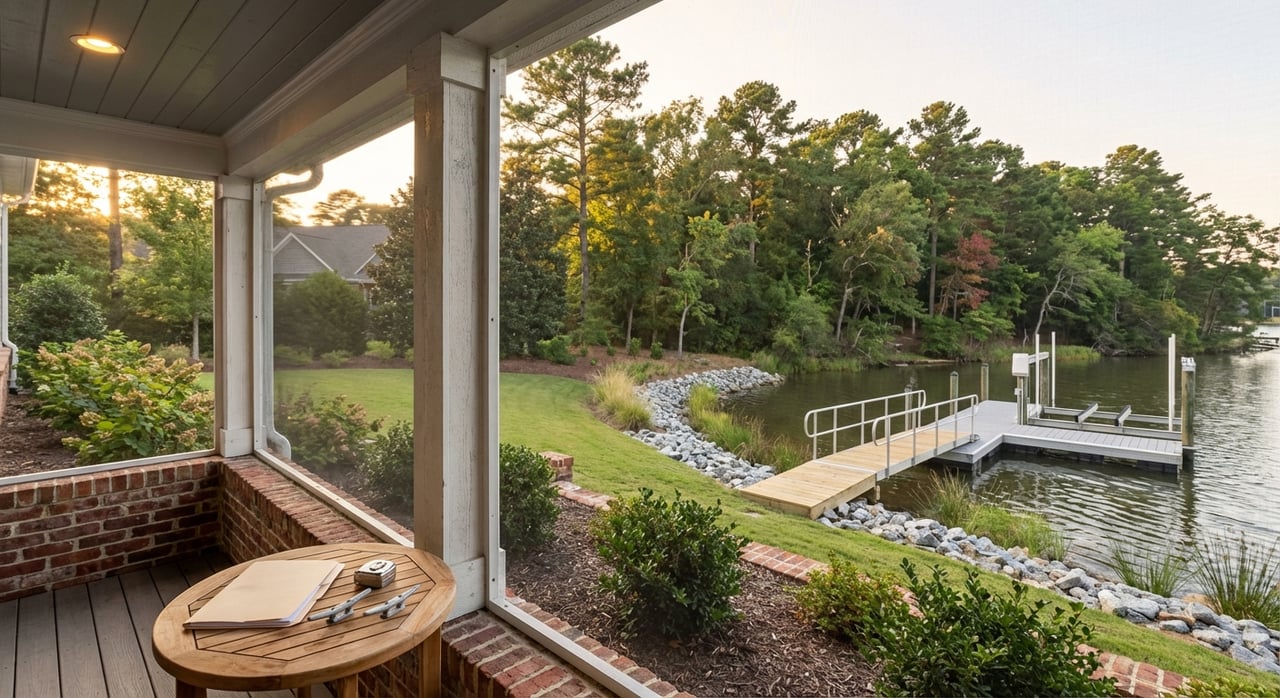
For many Lake Lanier buyers, the dock is the heart of the lifestyle. We look at type (floating versus fixed), slip count, cover, lifts, electrical service, and overall condition. Permits and evidence of compliance reduce buyer risk and improve marketability. A permitted, well-built dock on deep water is a major positive adjustment. An aging or unpermitted dock can pull value down or require a repair allowance.
What to prepare:
- Clear dock photos from multiple angles
- Dock permits or licenses, and any USACE correspondence
- Recent service or repair invoices, plus slip and lift details
Water depth at full pool
Depth at the dock affects the boats you can keep, year-round usability, and safety. We verify depth at full pool and note seasonal patterns. Docks with reliable deep water support larger boats and attract a wider buyer pool.
What to prepare:
- Any prior depth readings or survey notes
- Records from marine contractors or past dock work
- Notes about dredging history, if any
View: big-water or cove
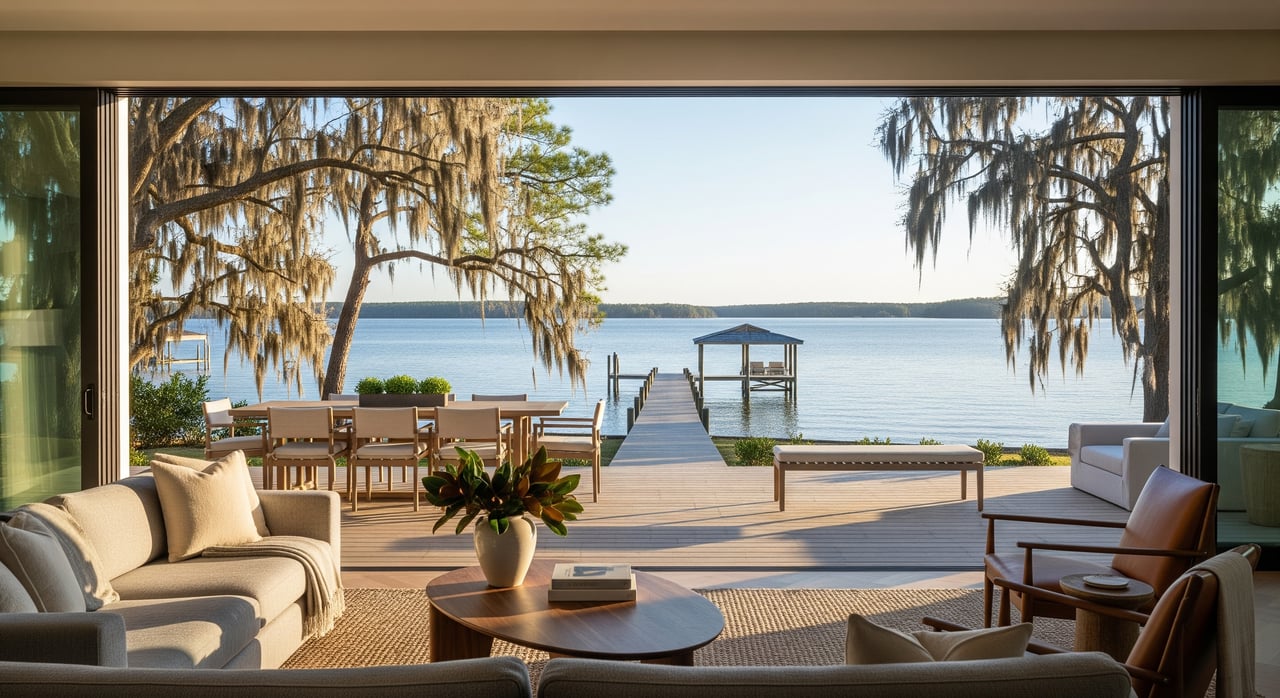
Both view types have strong audiences. Big-water vistas often draw buyers who prioritize boating, entertaining, and wide horizons. Coves appeal to buyers who prefer privacy and calmer water for small craft and kids. We review sightlines, obstructions, and exposure. Differences in view often translate to clear adjustments in the comp grid.
What to prepare:
- Daytime photos of the water view from key rooms and outdoor areas
- Notes on sun angles and typical wave action
Lot grade and shoreline access
Slope shapes daily life. Gentle grades and usable flats to the water enhance livability and pricing. Steep lots can limit outdoor use and may increase maintenance needs. We confirm location of the shoreline control area and any recorded encumbrances, then review steps, path, or vehicle access to the dock.
What to prepare:
- Survey or plat showing lake frontage and the line that governs shoreline control
- Any permits for shoreline work or stabilization
- Photos that show the route from house to dock
Renovation level and systems
Turnkey interiors and updated systems widen the buyer pool. Kitchens, baths, roofing, HVAC, and septic or sewer connections all affect perceived risk. On Lake Lanier, buyers often weight the dock and water features more heavily than interior finishes, yet move-in ready homes still command stronger offers and fewer concessions.
What to prepare:
- Renovation list with dates, permits, and contractor invoices
- Appliance and mechanical ages
- Septic inspection reports or sewer documentation
Risk, permit, and insurance context
Financing and appraisal teams look closely at flood zone status, shoreline stability, and permit histories. Floodplain designation can affect insurance and buyer confidence. Docks without clear permits or properties with prior storm damage often face more questions and longer appraisals. We address these concerns up front with organized documentation.
What to prepare:
- Flood zone information and any elevation certificates
- Records of shoreline stabilization or erosion control
- Title documents that reference dock licenses or easements
What to prepare before pricing
Gathering the right documents speeds pricing and builds trust with buyers and appraisers. Here is a simple file list to assemble:
- Current survey or plat that shows lake frontage and the shoreline control boundary
- Dock permits, as-built drawings, and any letters or emails from the managing agency
- Depth readings or recent soundings near full pool
- HOA covenants or shared dock agreements, if applicable
- Renovation permits and receipts for major work
- Septic inspection or proof of sewer connection
- Recent property tax records and prior sale history
Bring these to our first meeting and we will fill in gaps with local records and site verification.
On-site valuation checklist
When we visit, we document both the property and the water. Here is what we cover:
- Shoreline: frontage length, slope, seawall or riprap, and general stability
- Access: distance and route from house to dock, number of steps, and any vehicle path
- Dock: type, slips, lifts, cover, power, lighting, and visible condition
- Water: view lines, exposure to wave action, and depth at or near full pool
- Home: roof, foundation, systems, interior updates, and deferred maintenance
- Utilities: septic condition or sewer, and water source
- Risk: flood zone notes, recorded permits or licenses, and any restrictions
How we build your price
We follow a clear, repeatable workflow that keeps you informed at every step.
- Pre-list package. We gather surveys, permits, depth notes, renovation receipts, septic reports, and HOA documents. If needed, we arrange depth verification or a dock inspection.
- On-site review. We complete the checklist with photos, confirm depth and dock details, and note any repairs that could improve marketability.
- Micro-comp selection. We identify 3 to 6 recent sales with the closest match on cove or channel exposure, dock type, depth, slope, shoreline features, and condition.
- Adjustment grid. We apply disciplined adjustments for dock type and condition, depth, view, slope, shoreline improvements, and renovations. We document the market evidence behind each change.
- Reconciliation. If exact comps are thin, we review replacement costs for unique features and reconcile to the market-supported range.
- Pricing plan. You receive a short, plain-language summary of the main positives, any concerns, and suggested pre-list actions. We also discuss timing, staging, and a recommended list price strategy.
Seasonality and buyer pool
Lake activity rises in spring and summer, which often brings higher showing traffic. Well-prepared homes still sell year-round when priced right. The buyer mix around Lake Lanier includes Atlanta weekenders, retirees, second-home owners, and full-time residents. This mix drives a wide range of expectations, so clear documentation and a well-communicated dock and depth story help your home stand out.
Strategy tips to maximize value
- Fix small dock issues. Affordable repairs or safety updates build confidence and can speed offers.
- Organize permits and surveys. Clear documentation reduces buyer risk and eases appraisal.
- Verify depth near full pool. A simple measurement can justify a stronger price or support your adjustment in comps.
- Consider a repair credit if major work is needed. Pricing with a realistic allowance can keep your list price strong while giving buyers flexibility.
- Highlight lifestyle. Photos and copy that show sunrise views, entertaining spaces, and easy dock access attract the right buyers quickly.
When you want a pricing plan that respects both your shoreline and your story, we are ready to help. For a custom valuation that includes an on-site dock review, depth verification, and a tailored micro-comp analysis, connect with Jennifer Anderson. Let’s Connect — Start Your Georgia Home Story.
FAQs
How much does a Lake Lanier dock add to price?
- A well-permitted, well-built dock on deep water is a major positive in the comp grid, while an aging or unpermitted dock can reduce offers or require concessions.
Who verifies water depth and dock safety on Lake Lanier?
- Depth can be verified by a surveyor or marine contractor, and a marine contractor can assess dock safety and structural condition.
Which is worth more, big-water view or a cove?
- Big-water often carries a visible premium for boating and entertaining, while coves appeal to privacy and calmer water; your value depends on buyer demand in your price band.
Should I repair my dock before listing?
- If repairs are minor and cost-effective, fixing them usually improves marketability and speed; for larger items, consider pricing with an allowance or providing repair bids.
How do permits and shoreline rules affect value?
- Clear permits and compliance reduce risk and support stronger offers; missing or unclear permits can slow deals and lead to price reductions until resolved.
How do appraisals handle unique lake features?
- Appraisers prioritize comparable sales and then adjust for dock type, depth, view, slope, and renovations; when comps are thin, they consider replacement cost for unique items and reconcile to the market.