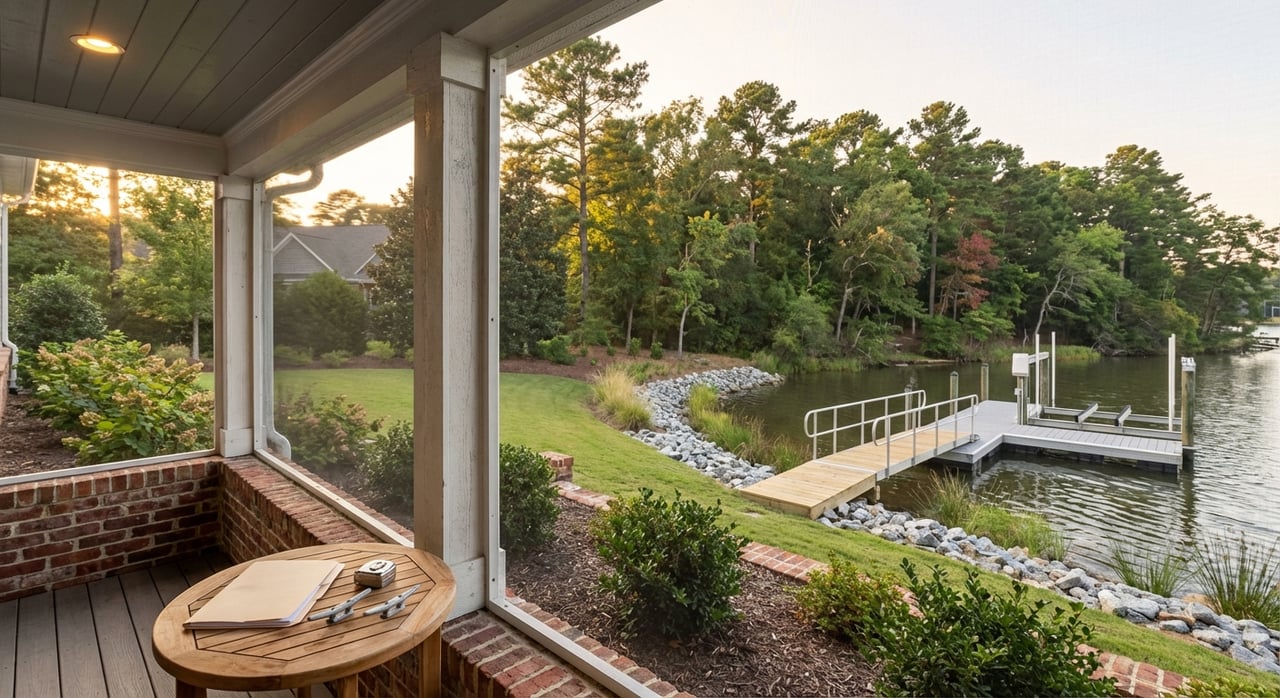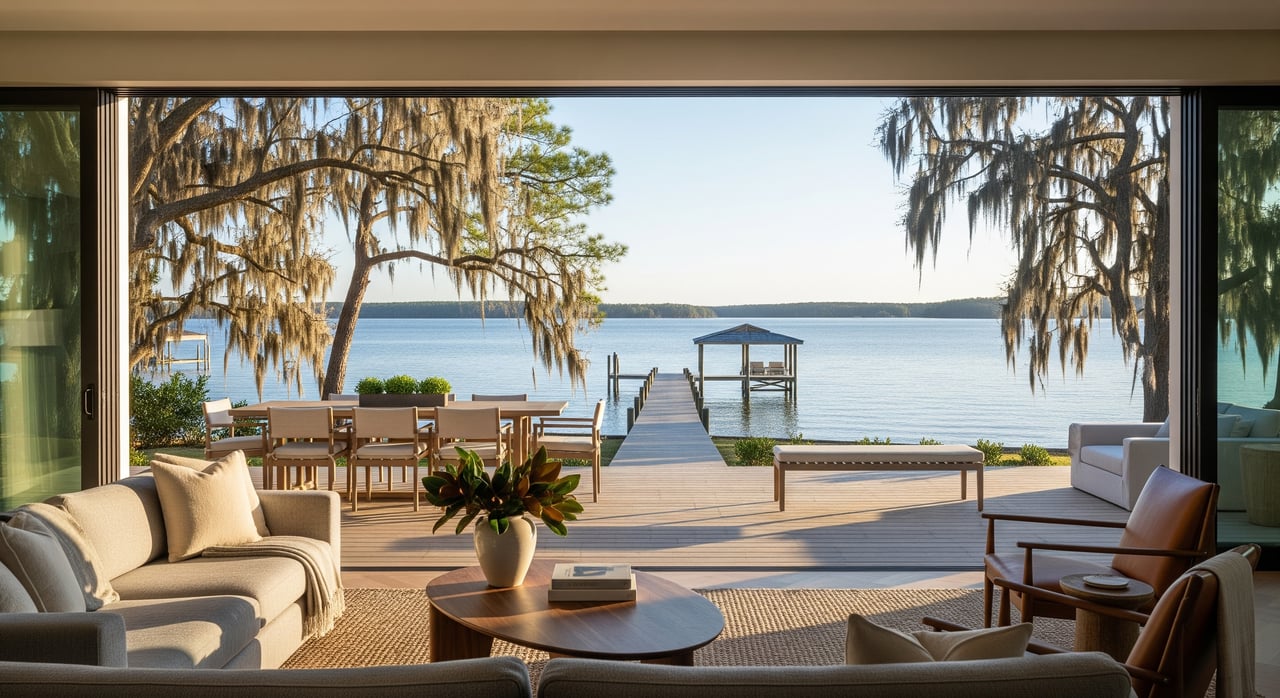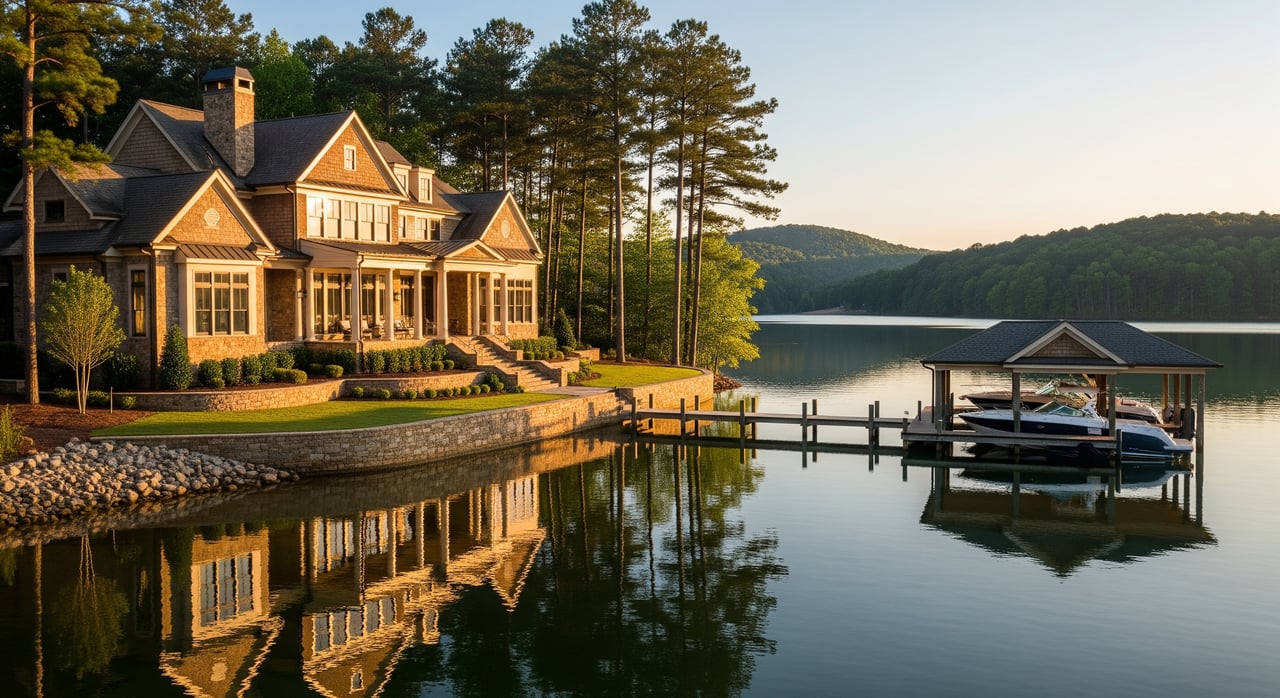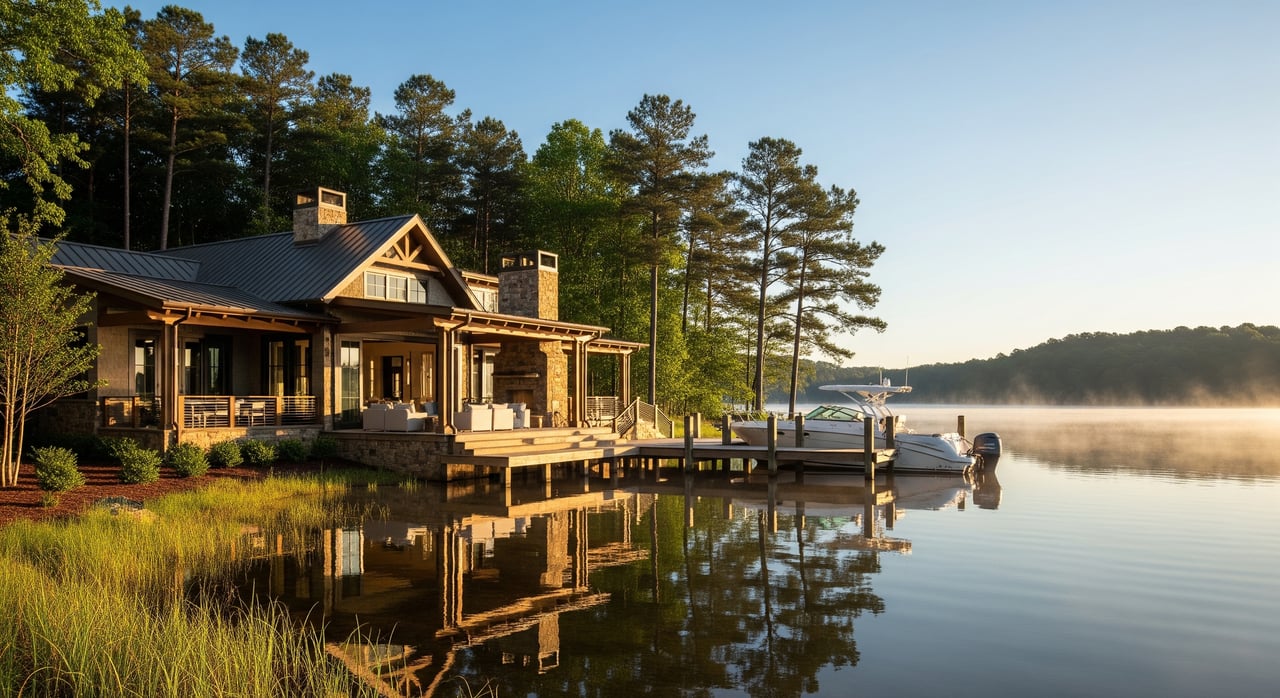
Is lake life on Lake Lanier as peaceful as it looks in photos? Some days, yes. Other days, the buzz of boats, summer events and weekend traffic set a faster pace. If you’re considering a lakefront or lakeside home here, you want the full picture. This guide walks you through seasons, boating culture, neighborhood vibes, commute realities, ownership costs and safety so you can decide if Lanier fits your lifestyle. Let’s dive in.
A year on Lake Lanier
Peak season: Memorial Day to Labor Day
Summer is the lake’s high season. Weekends are busy near popular marinas, ramps and public beaches. Expect a festive feel, from midday ski and wake boats to evening dockside gatherings. Holiday fireworks displays and events at Lake Lanier Islands draw crowds and extra boat traffic.
Shoulder seasons: spring and fall
Spring brings comfortable temperatures, lighter boat traffic and great days for fishing, paddling and hiking. Early fall is a local favorite. The water stays warm, crowds thin out and foliage views along the shoreline make sunset cruises memorable.
Winter: quiet and residential
Winter is calm. Many residents still walk the shore, fish on mild mornings and host cozy evenings by the water. Some marinas reduce hours or winterize services. You’ll notice the lake community shift from tourism to a more day-to-day residential rhythm.
Weekdays vs. weekends
Mornings feel different
Early hours belong to anglers, kayakers, paddleboarders and neighbors out for a jog. Water is calmer and coves are quiet, especially outside summer.
Midday brings the action
From late morning through late afternoon in summer, expect active watersports and fuller marinas. No-wake zones and marked channels help keep things organized in high-traffic areas.
Evenings slow and glow
Golden hours are for relaxed cruises, grilling on the dock and long sunset views. Towns around the lake often host farmers markets and seasonal events that wrap up the day nicely.
Boating culture and on-water etiquette
How people boat here
You’ll see ski and wake boats, pontoons, personal watercraft, bass boats, kayaks and paddleboards. Family tubing and social pontoon outings are common in summer. Fishing is strong year-round, with bass, crappie and catfish popular.
Traffic patterns to expect
The south end near Buford and the Islands, busy ramps, and popular coves are most active on warm weekends. Weekdays are calmer. Learn local no-wake zones, shallow areas and channel markers before you go out.
Marinas and services
Marinas provide fuel, rentals, seasonal slips, dry storage and winterization. Highly sought-after slip locations can have waitlists that run long. If a slip matters to your plan, start inquiries early and consider multiple marinas.
Safety and rules
Georgia Department of Natural Resources boating laws apply on Lake Lanier, and local enforcement is active on busy weekends. The U.S. Army Corps of Engineers manages the reservoir and posts lake notices. Review life jacket rules, lighting, and safety gear requirements before operating any craft.
Which shore fits your lifestyle?
South and southeast: Buford and Lake Lanier Islands
This area is more commercial and activity-forward, with resort amenities, public parks, beaches, marinas and wedding venues. It offers convenient access to major routes toward North Atlanta. Housing includes condos, townhomes with slip options and established estates.
East and northeast: Gainesville and Flowery Branch
You’ll find a strong year-round residential base, historic downtown areas and proximity to shopping and medical services. Larger, protected coves appear in pockets, and channels can run deep in places. The feel ranges from suburban to semi-rural.
North and west: Forsyth and Dawson counties
These shorelines lean private and wooded, with steeper lots and longer driveways in some areas. You’ll see select high-end developments and golf communities. It’s quieter, though commuting distances into Atlanta can stretch from the most remote coves.
Islands and micro-communities
Some peninsulas and islands have tight-knit communities with private docks and active HOAs. Lake Lanier Islands is a well-known resort complex with public amenities and an event calendar that shapes weekend flow nearby.
Commuting to North Atlanta
Main routes and drive character
GA-400, I-985 and I-85 are the key arteries. Inside neighborhoods, two-lane roads slow the last stretch. Most residents drive, and public transit options are limited in this region.
Time-of-day matters
Off-peak trips to North Atlanta can feel manageable from many points around the lake. Peak rush hours can add significant time. If you’ll commute frequently, test your drive from specific properties during the busiest windows.
Hybrid and remote work
Many lake residents blend office days with remote work to balance longer drives and lake living. If you work from home, confirm reliable high-speed internet at the address.
Owning on Lanier: costs and logistics
The lakefront premium
Waterfront properties and homes with private docks generally sell at a premium compared with similar inland homes. The exact lift depends on water access, views, shoreline condition and dock features.
Docks and permits
Docks typically require permits from the U.S. Army Corps of Engineers and may also involve county rules. If a property has a dock, confirm that the permit is valid and transferable. Understand your responsibilities for maintenance, placement and any future modifications.
Utilities and services
Some lakefront homes are on septic while others have municipal sewer. This affects inspections and renovation plans. Internet and cell service can vary by cove and elevation, so verify providers and speeds before you commit.
Insurance and flood considerations
Lakeside homes can carry higher insurance costs due to wind, hail and water risks. Flood insurance may be recommended even if not required. Ask carriers to evaluate the specific parcel and elevation.
Maintenance you should plan for
Docks need routine inspections, lift and mooring service, and periodic repairs. Shoreline erosion control, tree management and storm cleanup are ongoing realities. Budget time and funds for seasonal upkeep.
HOAs and community rules
Some subdivisions and condo communities regulate docks, boat storage, parking and noise. HOAs can simplify ownership or add restrictions. Review covenants carefully during due diligence.
Safety, water levels and the environment
Rules and enforcement
Georgia DNR sets boating safety rules, and local marine patrols are visible on busy weekends. USACE shares lake notices and manages the reservoir, which can include temporary closures or guidance.
Water levels and quality
Lake levels fluctuate with seasons, rainfall and reservoir management. Low water can affect ramp access, dock usability and shallow coves. State agencies monitor water quality and may issue advisories during algal blooms or other events.
Emergency services access
Response times vary by shoreline and cove. Nearby medical centers in Gainesville and Cumming serve large portions of the region. If emergency access is a concern, map drive times from likely routes.
Quick buyer checklist
- Confirm dock and shoreline permit status and whether permits transfer with the property.
- Order a professional marine and dock inspection plus a shoreline erosion assessment.
- Verify sewer or septic service and review records for the system in place.
- Test your commute during peak hours from the specific address.
- Get insurance quotes that include flood and wind scenarios.
- Ask about marina slip availability or alternative storage near your preferred cove.
- Review HOA or community covenants that impact docks, storage, parking and noise.
- Check recent lake-level history and current management updates from USACE.
Ready to see if Lanier fits your life?
If you love quiet weekday mornings, water play on warm afternoons and sunset dinners by the dock, Lake Lanier can be a great match. The key is aligning your cove, commute and dock details with how you live day to day. If you want a local guide who knows the shoreline, permits and neighborhood nuances, reach out to Jennifer Anderson. Let’s Connect — Start Your Georgia Home Story.
FAQs
How much more do Lake Lanier lakefront homes cost?
- Lakefront homes and properties with private docks usually sell at a premium that varies by location, water access, views and dock condition; review local comps for specifics.
Do I need a permit for a dock on Lake Lanier?
- Most docks require a permit through the U.S. Army Corps of Engineers and may involve county rules; verify that any existing permit is valid and transferable.
Is Lake Lanier noisy every weekend in summer?
- The busiest and noisiest spots are around public beaches, popular coves and the south end on summer weekends, while weekdays and shoulder seasons are much quieter.
Can I realistically commute from Lake Lanier to Atlanta?
- Many residents commute by car using GA-400, I-985 or I-85; travel times vary widely with rush-hour traffic, so test the specific route from the property.
What should I know about insurance for a lakeside home?
- Expect to evaluate homeowners plus potential flood and wind coverage; request quotes early so you understand costs tied to your exact parcel and elevation.
Are schools and medical services accessible around Lake Lanier?
- Parts of the lake are near public schools and medical centers, including facilities in Gainesville and Cumming; access depends on the specific address and county.