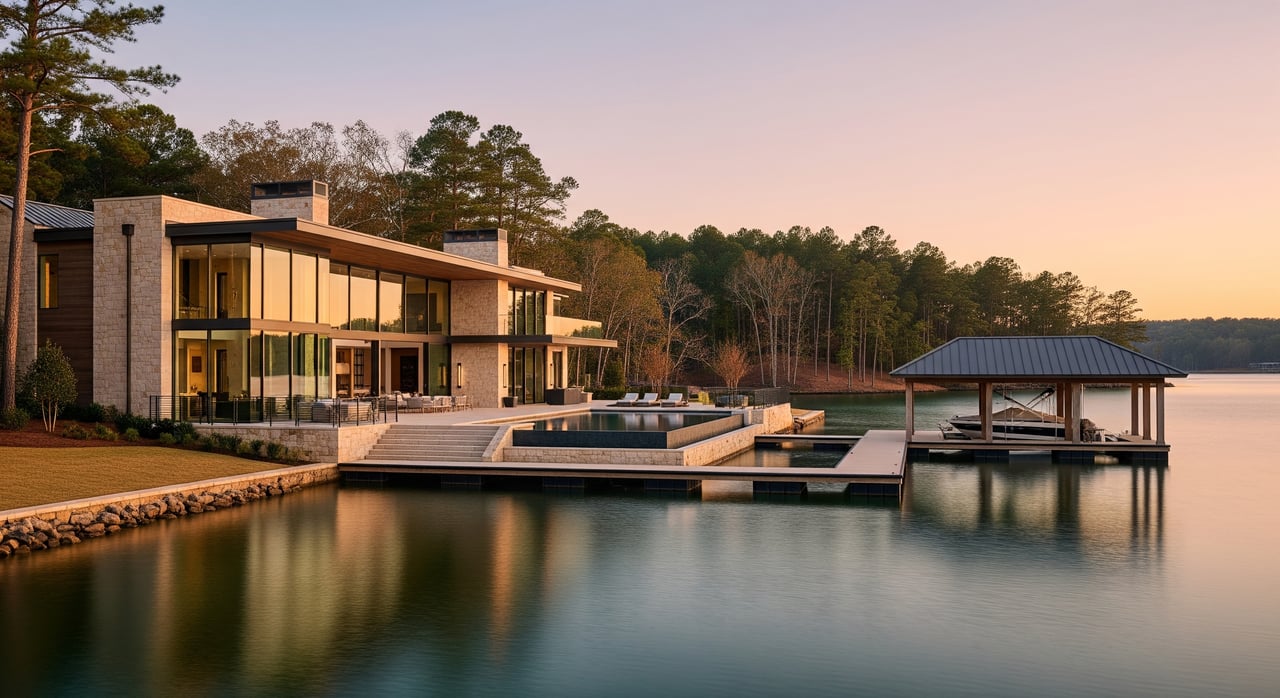
Thinking about a Lake Lanier home and wondering what really drives value on the water? You are not alone. Buyers and sellers around Gainesville, Cumming, Buford, Suwanee and Flowery Branch often focus on the house, but the lake itself, seasonality and dock details can matter more. In this guide, you will learn how timing, water levels and shoreline features shape pricing and demand, plus the exact data sources and checklists you can use to move with confidence. Let’s dive in.
Who runs the lake and why it matters
Lake Lanier is managed by the US Army Corps of Engineers, which controls pool elevation, scheduled releases and many shoreline permits. The Corps prioritizes flood control, water supply, hydropower and recreation. Those decisions affect usable shoreline, navigability and dock access, which flow directly into a home’s value and day-to-day enjoyment. You can track conditions on the US Army Corps of Engineers Lake Lanier operations page.
Local counties and cities set zoning, permits and property tax rules that also shape shoreline development. Marinas, HOAs and marine contractors play a role in how docks are maintained and improved. When you understand both the federal operations and local rules, you can assess a property’s current utility and its potential.
Seasonality and inventory cycles
Spring and early summer surge
Listing activity and buyer demand on Lake Lanier usually peak from March through July. Many buyers want to close before boating season, and sellers often target this window to maximize exposure. Outdoor staging and ready-to-use docks can help your property stand out when the market is most active.
Off-season opportunities
Fall and winter tend to bring fewer listings and less competition. If you are buying, this can mean more negotiating room and time to complete thorough dock and shoreline evaluations. If you are selling, strong preparation and sharp pricing can help you capture motivated buyers who are still shopping late in the year.
What metrics matter
To read the market, watch new listings, months of inventory, median sale price, list-to-sale ratio and median days on market. If available, review price per square foot and price per waterfront foot for truly comparable properties. For current local stats, use the Atlanta REALTORS Association market statistics and verify specifics through your agent’s MLS access.
Water levels and market impact
How levels are managed
The Corps adjusts lake elevations based on flood control, water supply needs, power generation and weather patterns. Levels change seasonally and during droughts or heavy rain. Daily pool elevation and release schedules are your best short-term indicators of usability and access.
What low or shifting water means
Lower water can shorten or strand docks, limit launch access and expose mud or vegetation along the shoreline. This reduces recreational utility and can cool buyer interest for homes that depend on deep water access. Rapid level changes may also stress docks, lifts and anchors, which can lead to maintenance or modifications.
What to monitor before you buy or sell
- Daily and historic lake elevations on the Corps’ Lake Lanier operations page
- Community advisories from the Lake Lanier Association
- Water and resource updates from the Georgia Department of Natural Resources
Monitoring these sources helps you time showings, plan inspections and set realistic expectations for dock use.
Docks, shoreline and view premiums
Common dock types
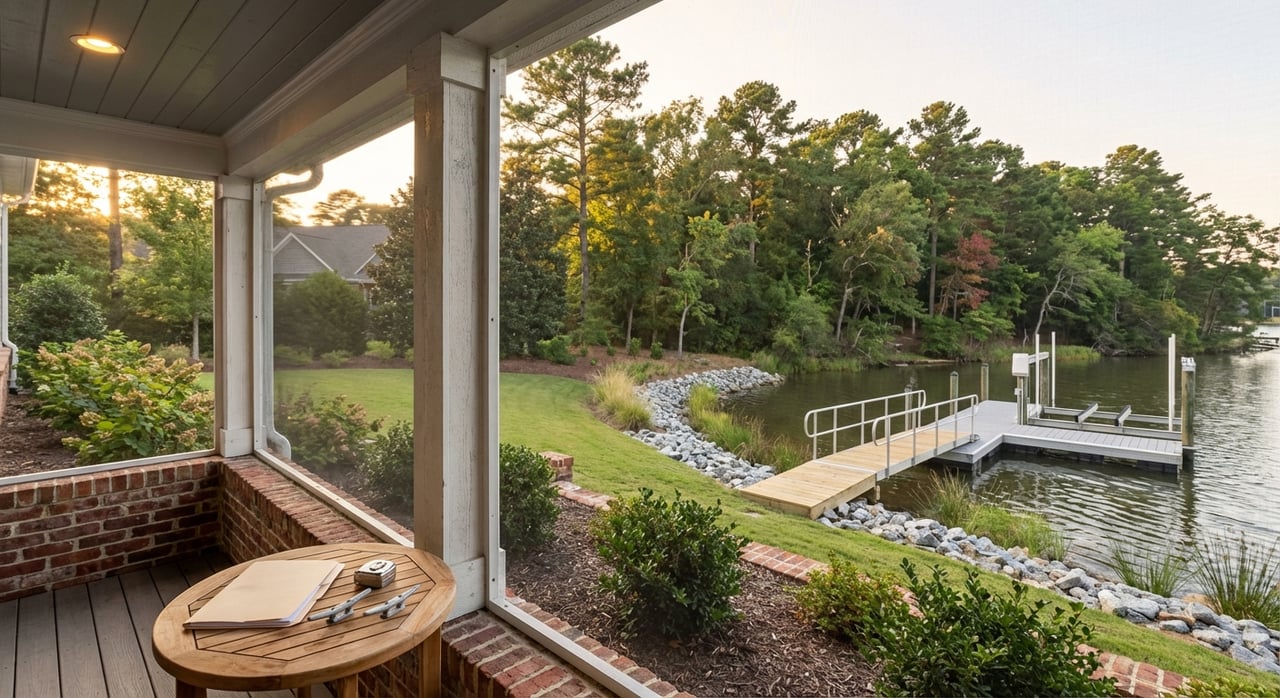
- Floating docks rise and fall with water and are often preferred when levels fluctuate. They can maintain access across a wider range of elevations.
- Fixed or pile docks rely on more stable depths and may be less adaptable during big level swings. In some conditions they are very durable but can be harder to use in low water.
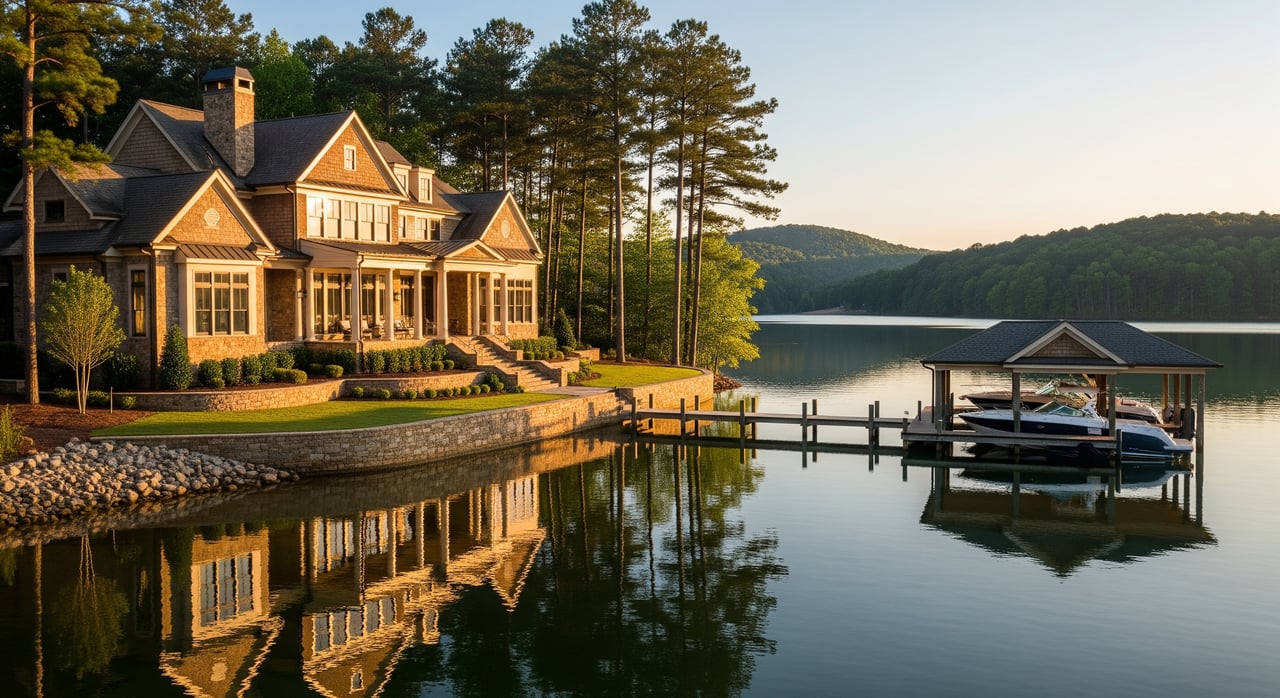
- Lifts, covered slips, boathouses and multi-slip setups add convenience and protection for frequent boaters and typically command a premium.
- Private docks usually deliver the most direct value. Community docks and marina slips add convenience but generally provide less direct property value than an exclusive private dock.
Shoreline traits that move value
Water depth at the end of the dock is a key driver, especially for larger boats. Slope and topography between the home and the water affect how easily you can reach the dock and use the yard. Erosion control, like riprap or bulkheads, and the condition of any shoreline structures can influence maintenance needs and buyer confidence.
View categories buyers ask about
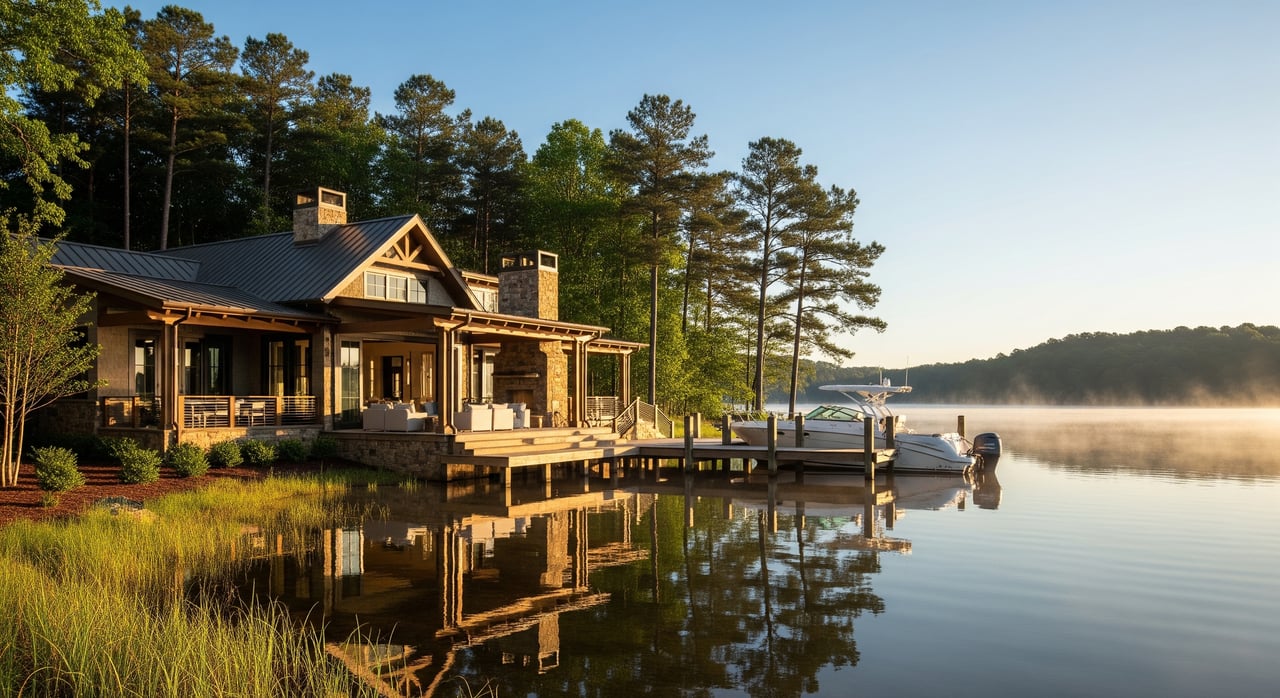
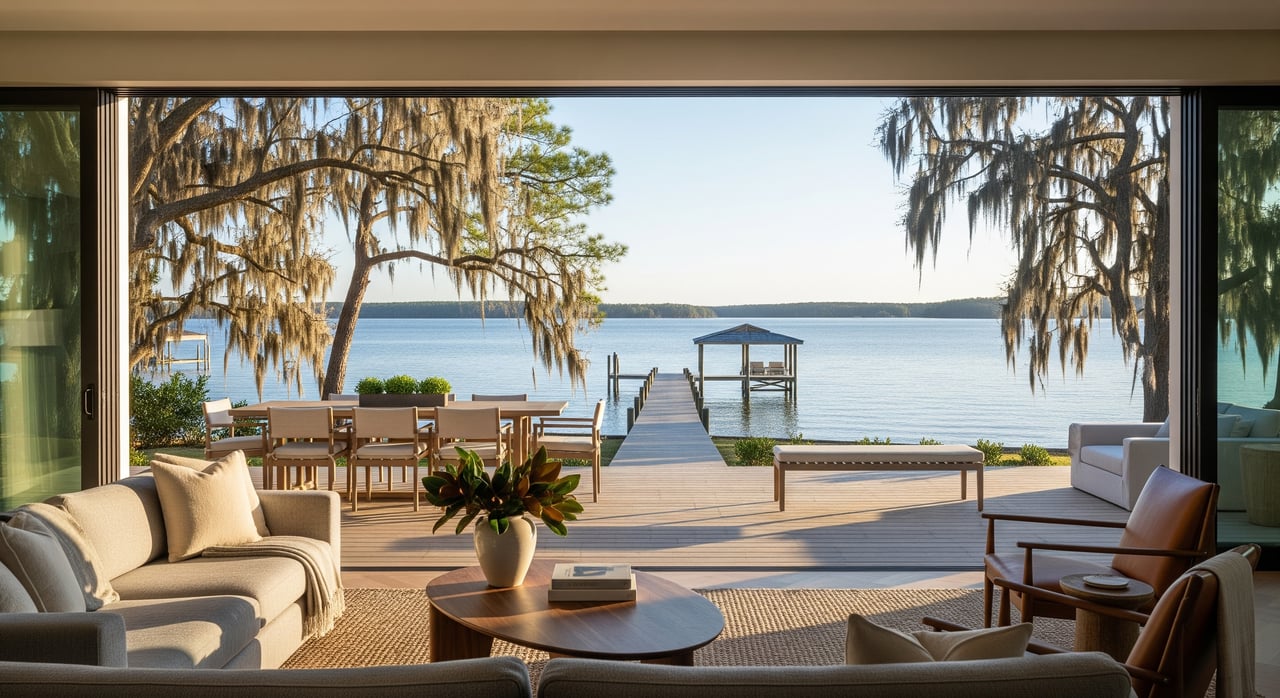
Open, unobstructed main-lake views tend to carry the highest premium for day and night aesthetics. Protected coves are popular for privacy and safer swimming or paddle sports. Canal or narrow waterway views can be useful but typically trade below open-water vistas. Views toward marinas or neighboring docks are usually valued less than big-water panoramas.
Permits and rules to verify
Many dock and shoreline projects require federal authorization if they are below normal pool, and you may need state or county permits. HOA rules and deed restrictions can also limit size, placement or sharing arrangements. Before planning improvements, review the USACE Regulatory permitting guidance and confirm local requirements with county planning departments.
Buyer action plan for Lake Lanier
Use this checklist to compare properties and reduce surprises:
- Confirm waterfront classification. Note if the property is private waterfront, water-view, canal or tied to a community dock or marina slip.
- Document dock type and condition. Identify floating versus fixed, lift or cover, and maintenance history. Ask for any permits or approvals.
- Measure the experience. Record waterfront frontage, slope to the water and water depth at the end of the dock.
- Pull recent elevation history. Review peak-season and drought periods on the Corps’ daily pool elevation page.
- Verify rules. Check county zoning, HOA covenants and any shoreline permits. Use the USACE Regulatory overview for activities near normal pool.
- Price with true comps. Compare to MLS sales with similar dock type, water depth, frontage and view category. If available, note price per square foot and per waterfront foot.
- Consult specialists. Consider a marine contractor for the dock, a surveyor for shoreline lines and a home inspector for overall systems. For erosion or bulkhead concerns, ask about shoreline-engineering expertise.
Seller playbook for maximum impact
- Time your listing. Spring through early summer often brings the largest buyer pool. If you must list off-season, lean into high-quality visuals and accurate dock details.
- Prepare the dock and shoreline. Service lifts, repair boards and clean or paint as needed. Aim for easy, safe access during showings.
- Stage outdoor living. Highlight lake-facing decks, patios and paths. A tidy shoreline and clear dock approach help buyers imagine daily life on the water.
- Gather documents. Assemble permits, service records, HOA covenants, surveys and any recent dock or shoreline invoices.
- Price with precision. Use comparable sales that match your dock type, water depth, frontage and view. The Appraisal Institute’s guidance on waterfront valuation can help you understand how appraisers approach unique features.
- Communicate lake context. Share recent elevation history and nearby marina or ramp options. Set clear expectations about typical seasonal patterns.
Neighborhood and lifestyle notes
The Lake Lanier market spans a range of lifestyles. Gainesville and Flowery Branch offer convenient access to lake amenities and growing town centers. Cumming, Buford and Suwanee connect you to northern Metro Atlanta while keeping weekend boating within easy reach. Your best fit depends on commuting needs, community preferences and how you plan to use the lake.
What to track each week
- Daily lake level and releases on the Lake Lanier operations page
- New listings and pending sales that match your waterfront profile
- Months of inventory and median days on market from the Atlanta REALTORS Association statistics
- Community advisories from the Lake Lanier Association
Staying consistent with these checks helps you act faster and negotiate with data.
Ready to make your move
Lake homes on Lanier are not one-size-fits-all. Seasonality, water levels, dock type, shoreline features and views all combine to shape value. With the right plan and the right local guidance, you can make a confident decision that fits how you want to live on the water.
If you are exploring Lake Lanier or nearby towns like Gainesville, Flowery Branch, Cumming, Buford or Suwanee, reach out to Jennifer Anderson for boutique, high-touch support from search to close. Let’s connect and start your Georgia home story.
FAQs
What drives seasonal pricing for Lake Lanier homes?
- Spring and early summer bring the most listings and buyers, while fall and winter often offer less competition and more negotiating room.
How do Corps-managed water levels affect my dock?
- Water level changes can limit access, shorten ramps or expose shoreline, so monitor the Corps’ Lake Lanier operations page for daily conditions.
What permits might I need for dock work on Lanier?
- Many projects below normal pool require federal authorization and may also need state or county permits, so check the USACE Regulatory guidance.
Is a big-water view worth paying more for?
- Open, unobstructed views generally command a premium, while protected coves appeal for privacy and safer swimming, so the right choice depends on your priorities.
Where can I find current market stats for waterfront homes?
- Review the Atlanta REALTORS Association market statistics and verify property-specific comps through MLS.
How can I check for lake advisories before boating or swimming?
- Look for community updates from the Lake Lanier Association and statewide resources from the Georgia Department of Natural Resources.